
Trip Report By Wild Animal Expeditions Trip Leader Dario Nessi
Tigers Galore in Tadoba!
This year in Tadoba we hit the tiger jackpot, since we not only got to see 10 different individuals (some of them multiple times), but also were all the encounters on close range and resulted in being great photographic opportunities.
Day 1
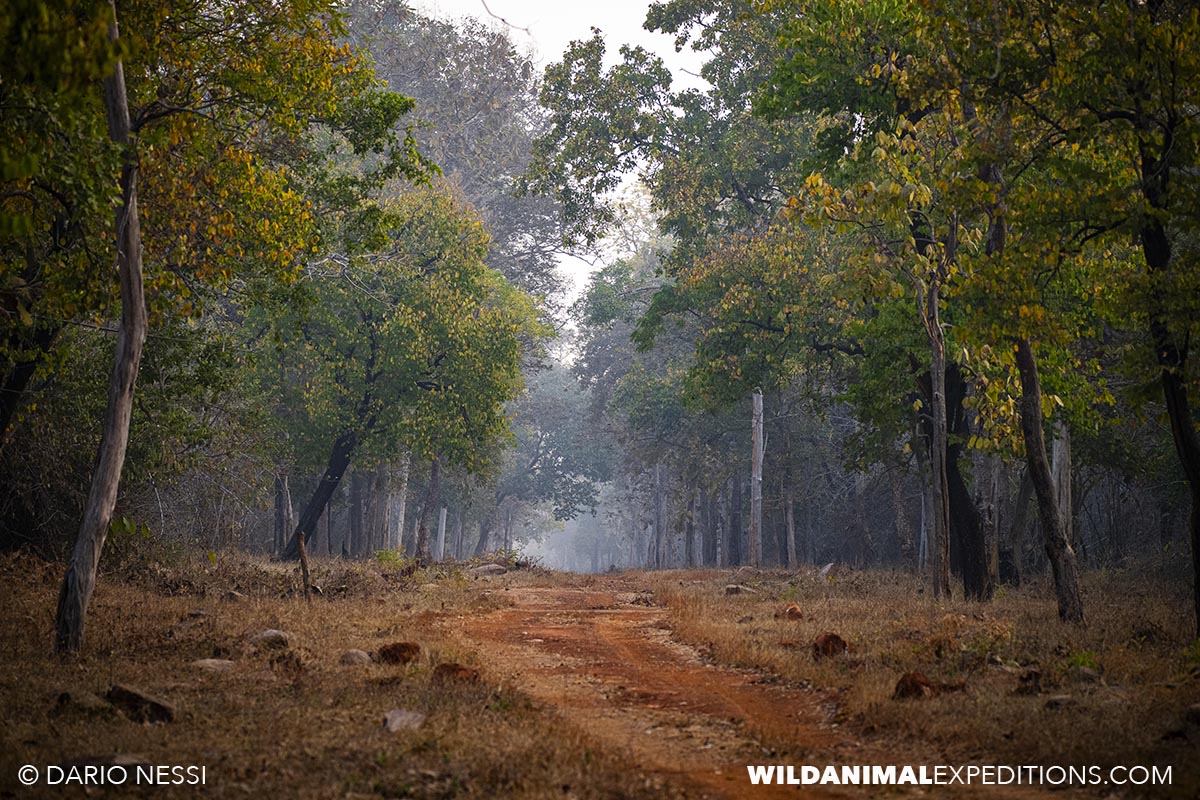
On day one the group gathered at the airport and we started our 2.5 hour drive towards our lodge in Tadoba. After lunch it was already time to have our first safari drive in one of the core zones. Tadoba is divided into multiple core and buffer zones, core being the heart of the national park and the buffers the surrounding areas. Tiger sightings are just as good in core and buffer zones. These big cats have huge territorries and all the zones are inhabitet by multiple tigers. Now we only had to find some of them.
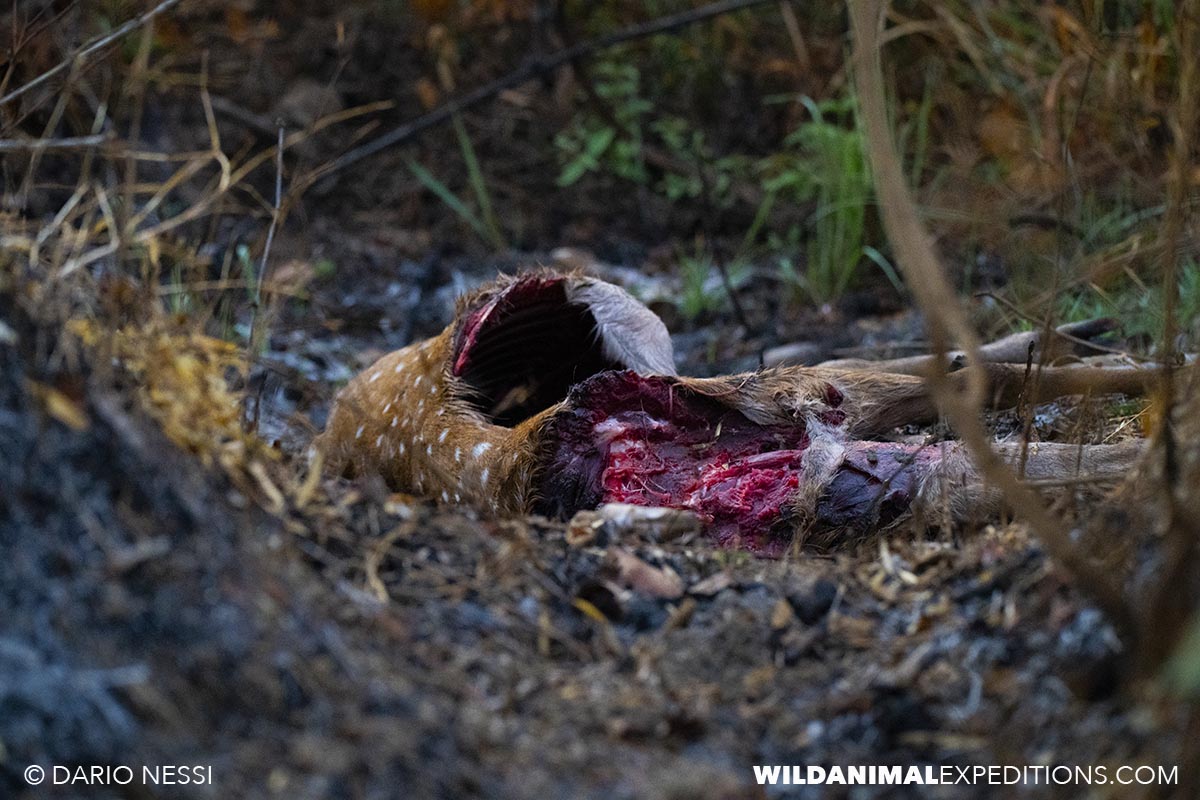
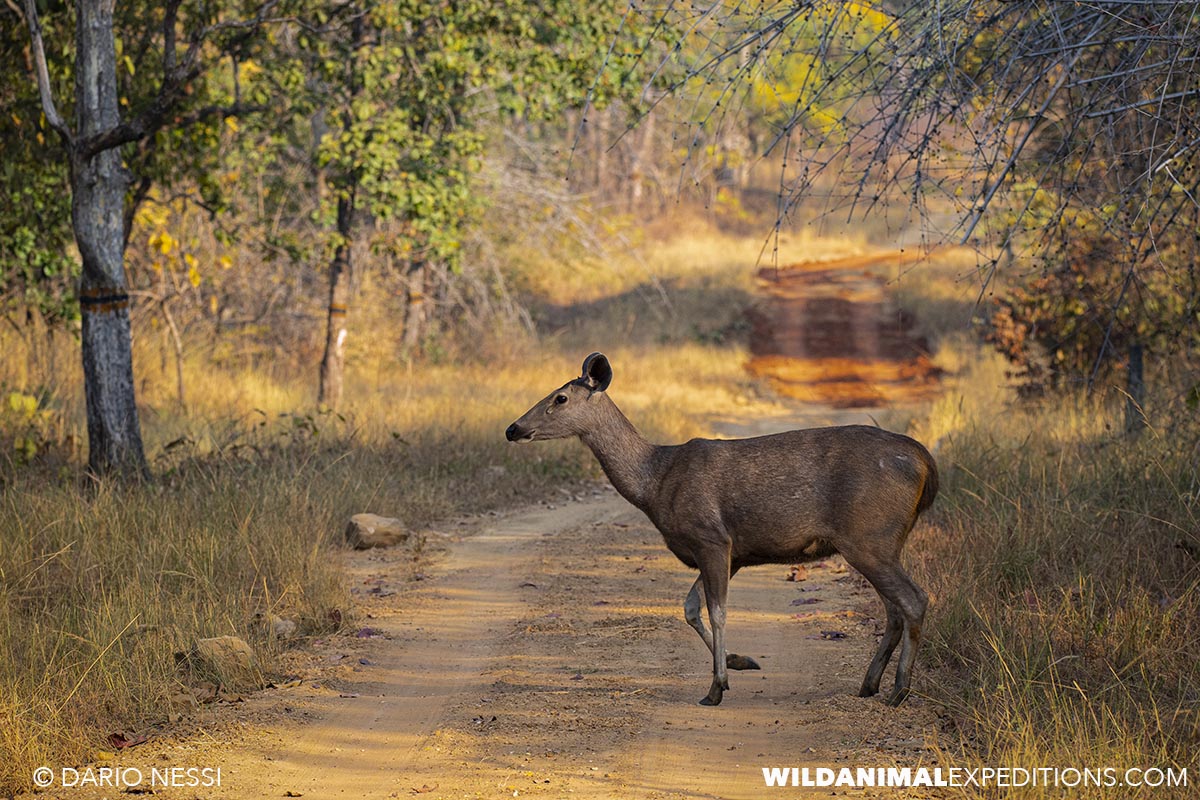
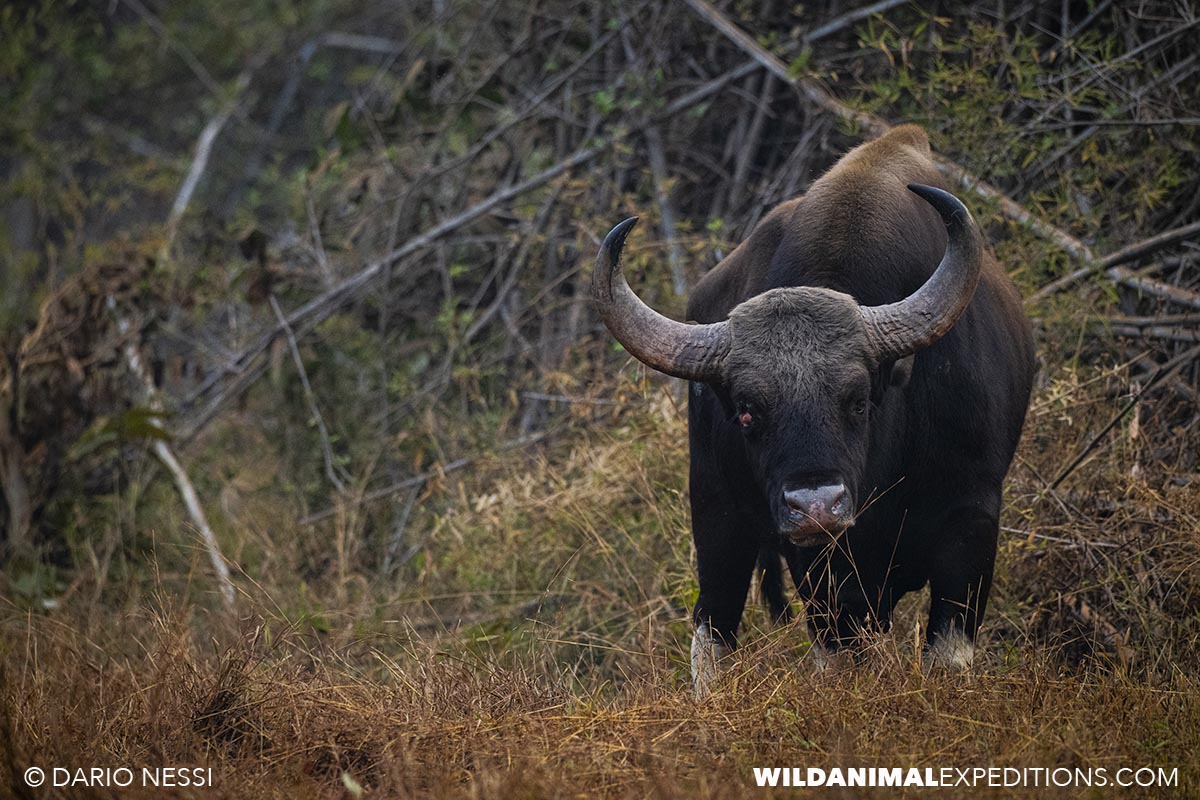
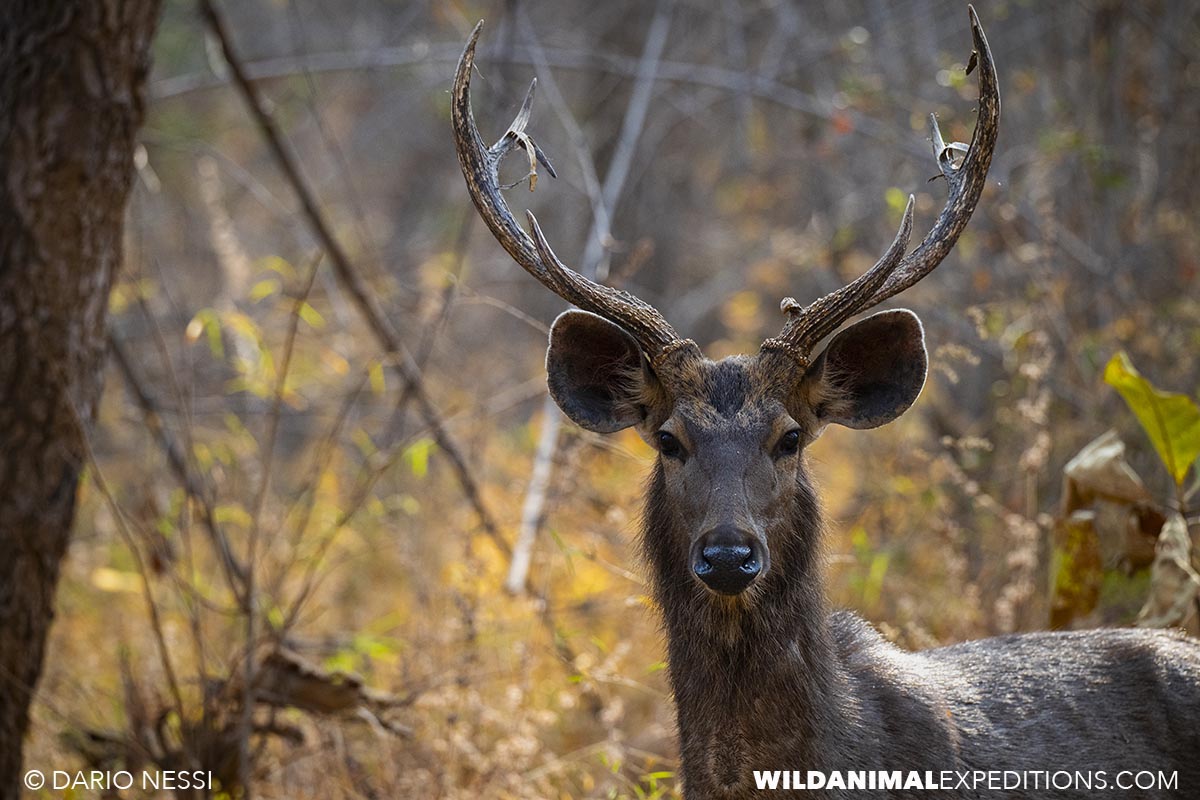
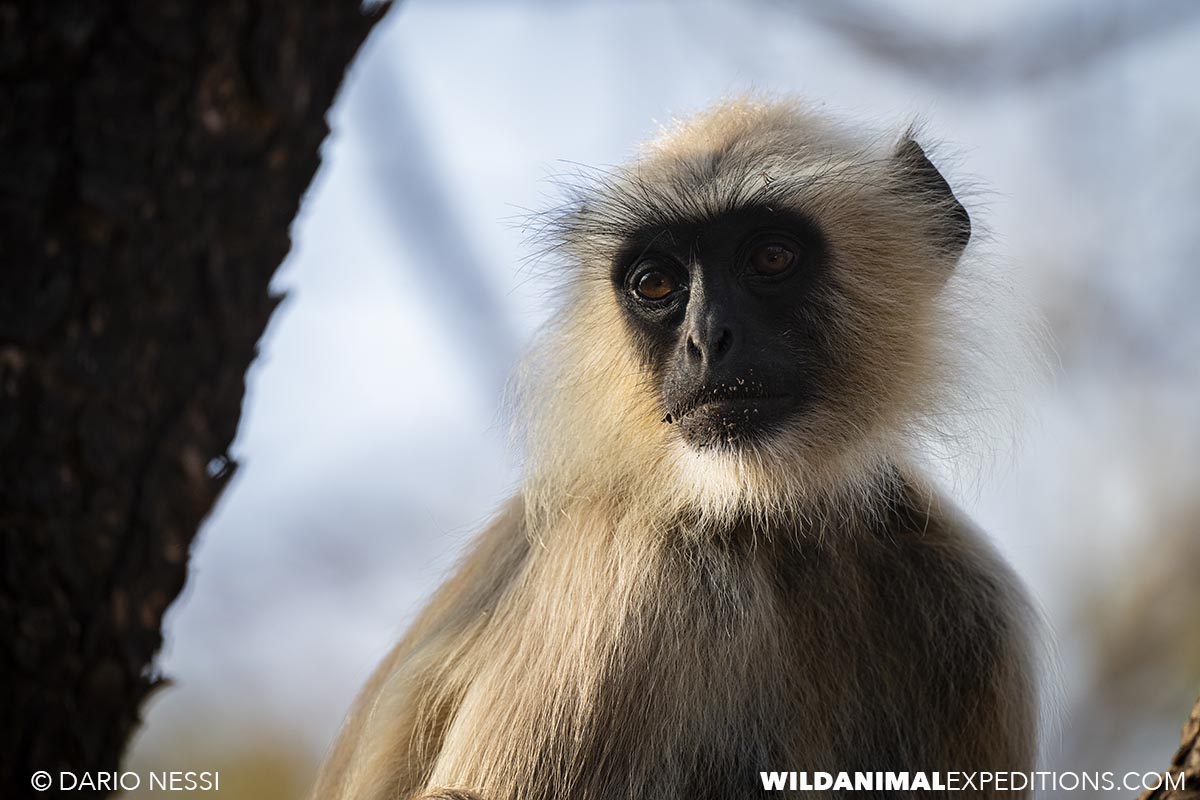
Even though the first drive didn’t result in any tiger sighings yet, our guests got a feel for the park. Spotted deer, Sambar deer and wild boar, where ever you looked. Its like an all you can eat buffet for tigers. We saw the grey langurs play in the trees and saw some indian Gaurs (indian bisons), which are absolute tanks. Our guides did their best trying to locate a tiger through listening to alarm calls and reading the fresh pug-marks left by tigers walking on the sandy roads, but the forest stayed quiet today.
Day 2
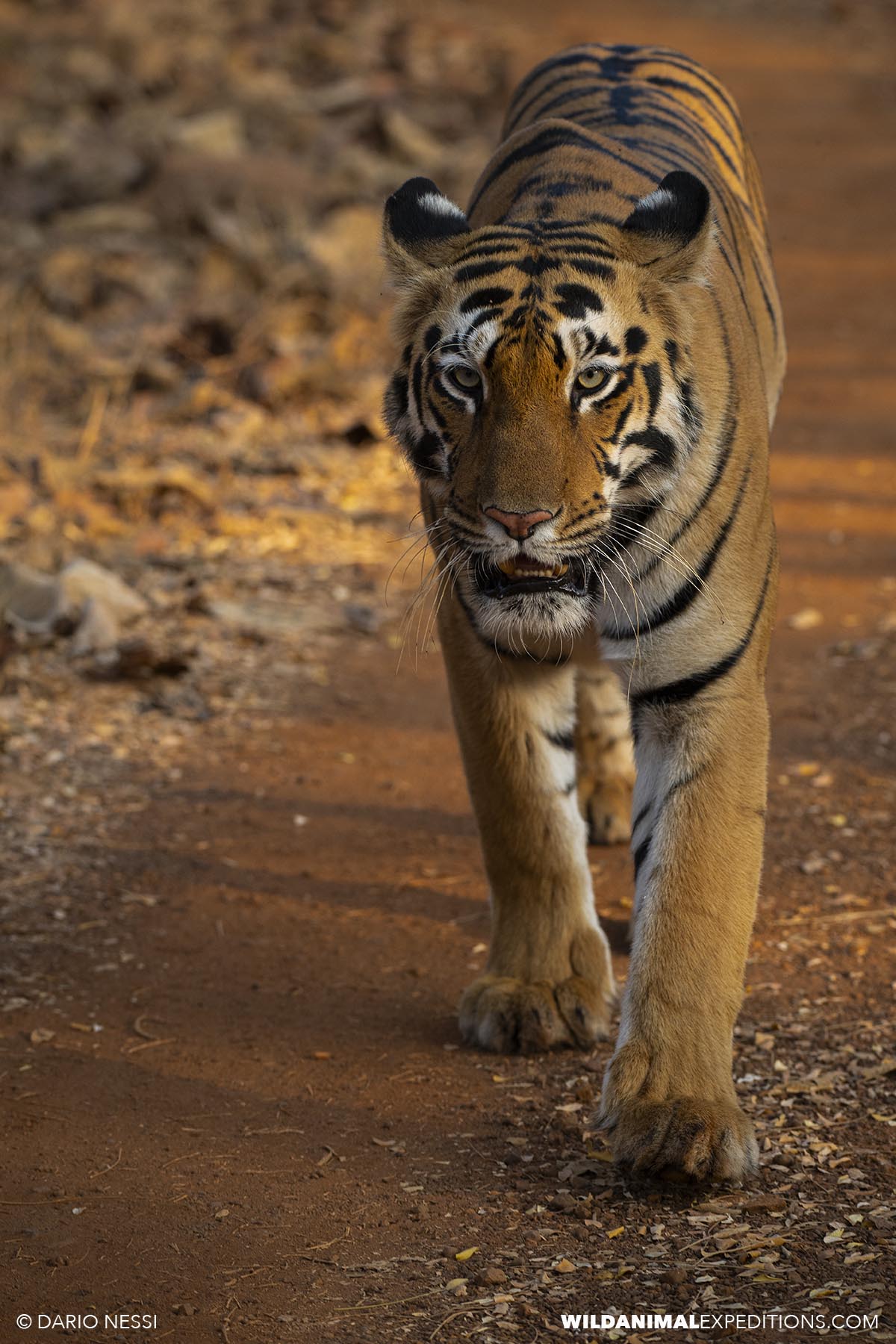
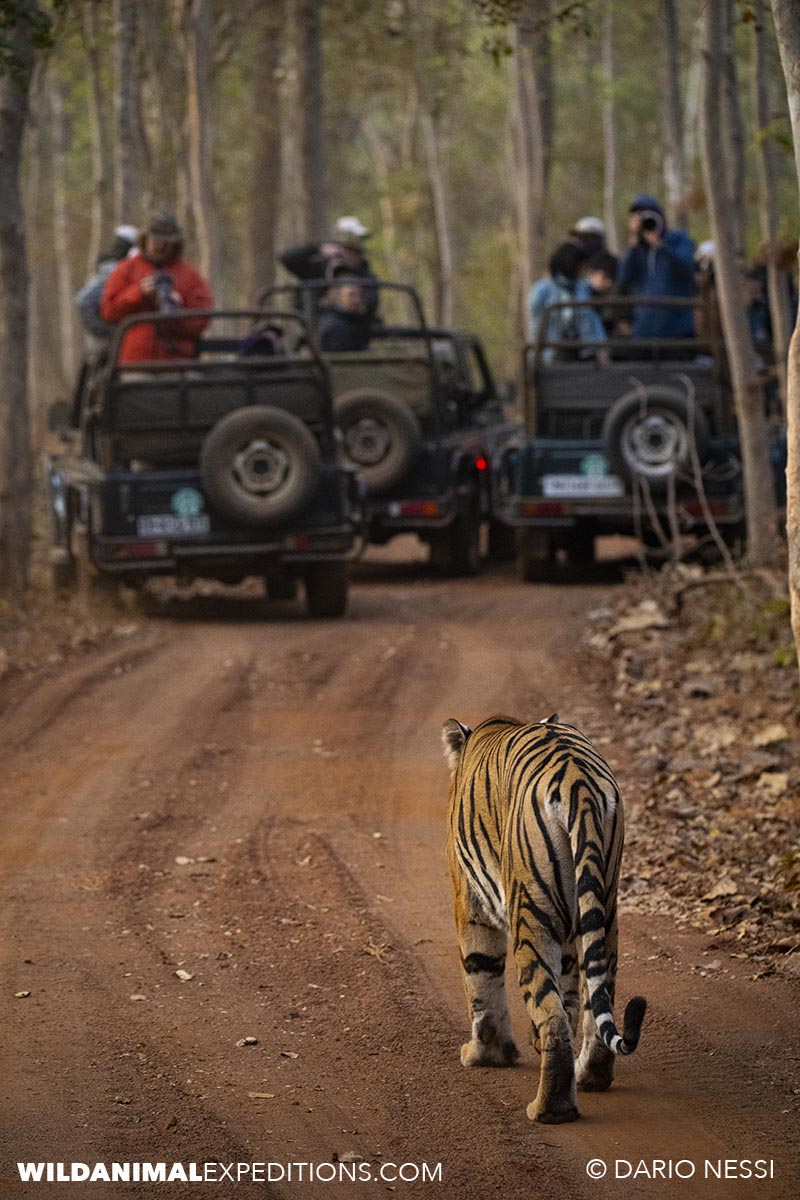
On day two it was time to explore one of the buffer zones and this time it didnt take long and we heard that one vehicle heard some close by alarm calls. We rushed to the scene and reached just in time, to see a beautiful tigress called “Channi” emerge from the forest. She walked past and behind our vehicle on the roads, so close one could have reached out and touched her (which is obviously not recommended at all). It was a stunning scene. After following us for an extended amount of time, she left the road and stood on top of a rocky hill, lit up in beautiful sunlight and overlooking her territory. An amazing start of our trip, that got everyone excited for more.
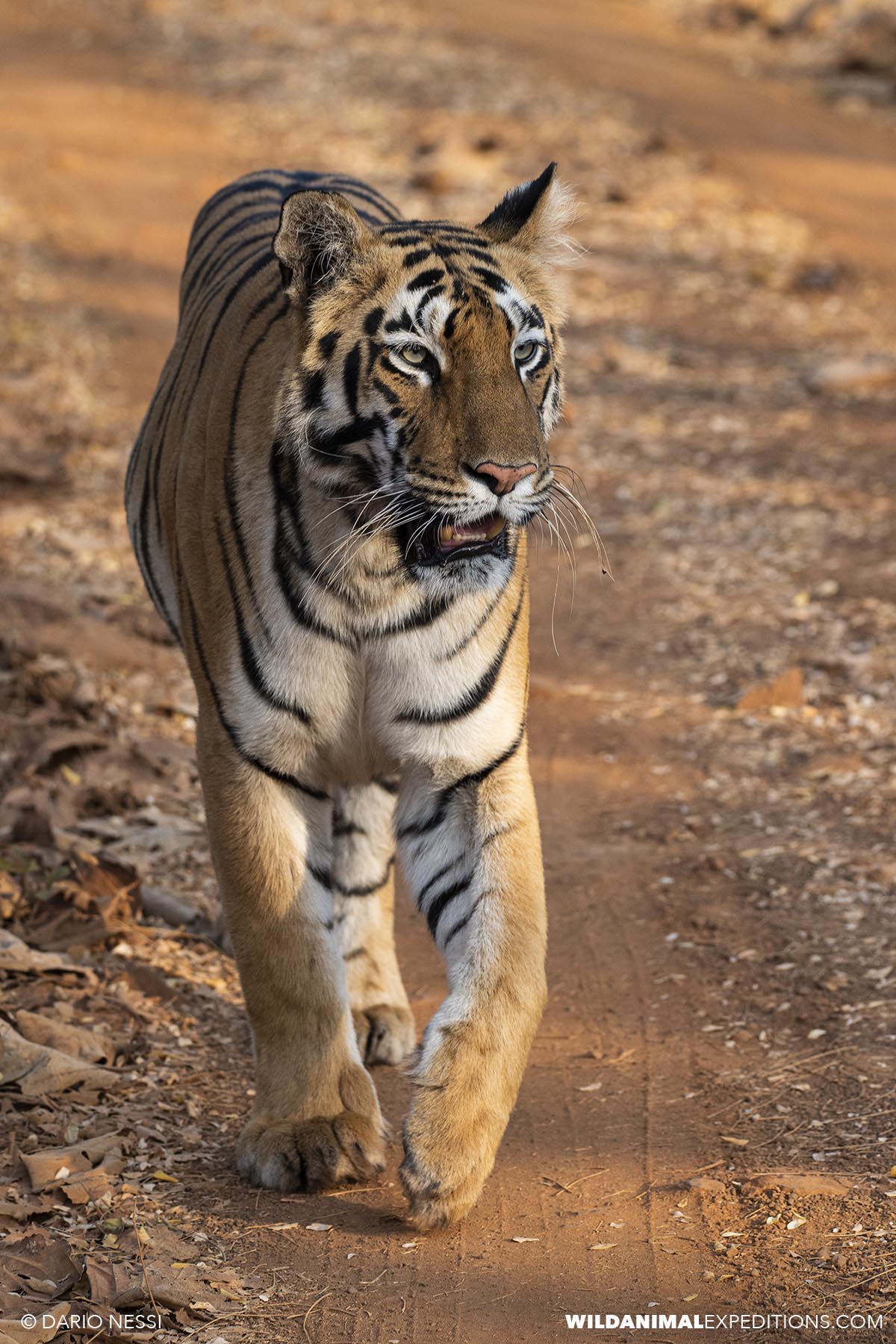
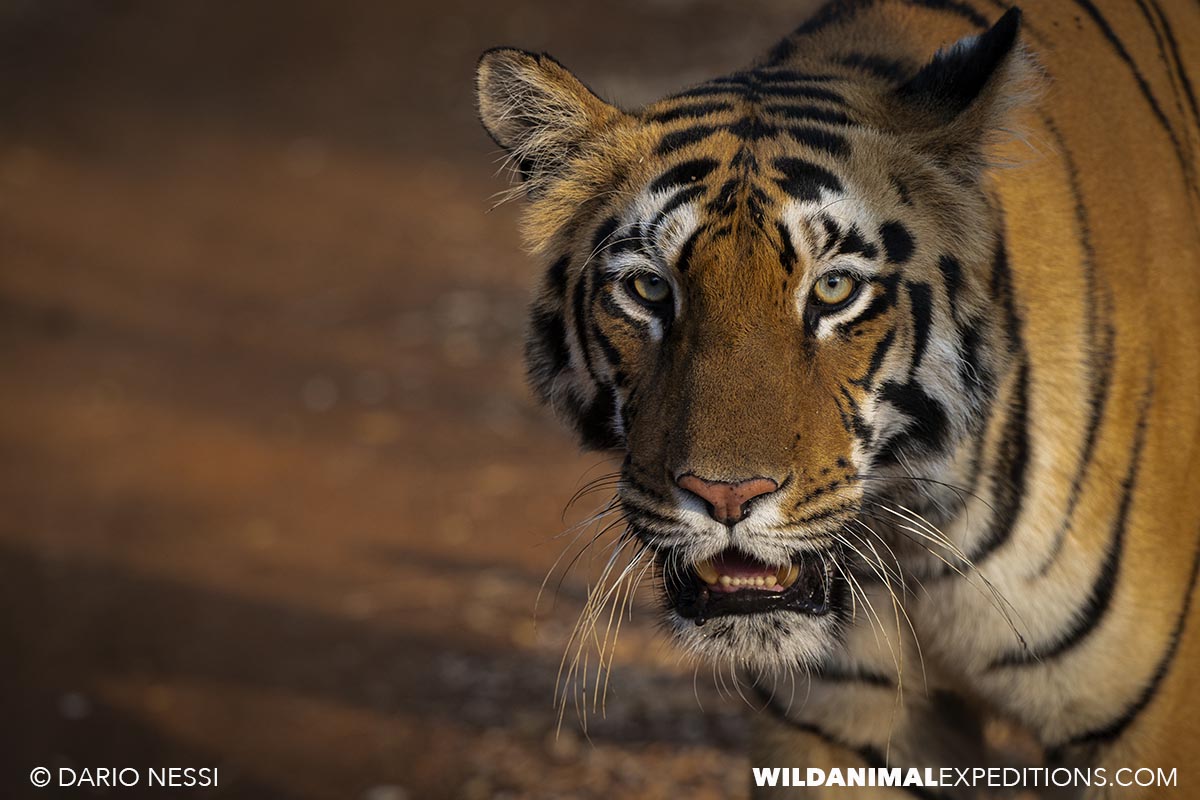
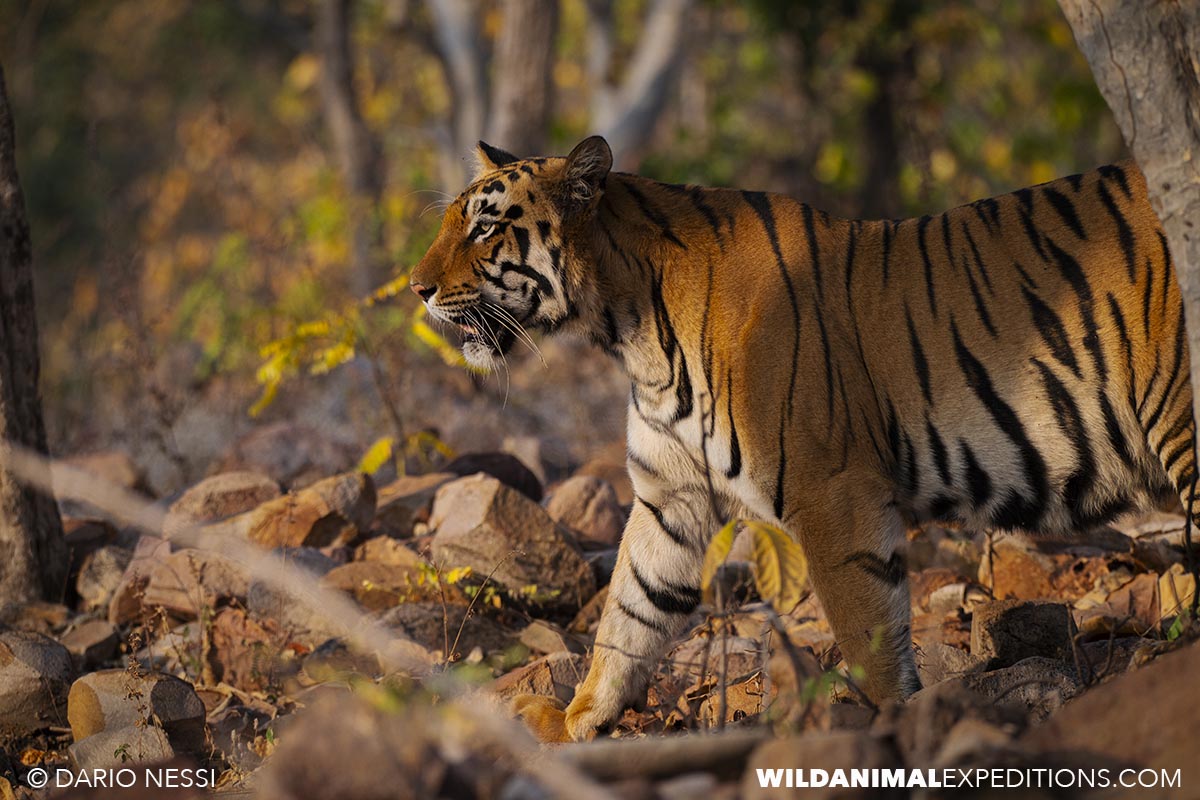
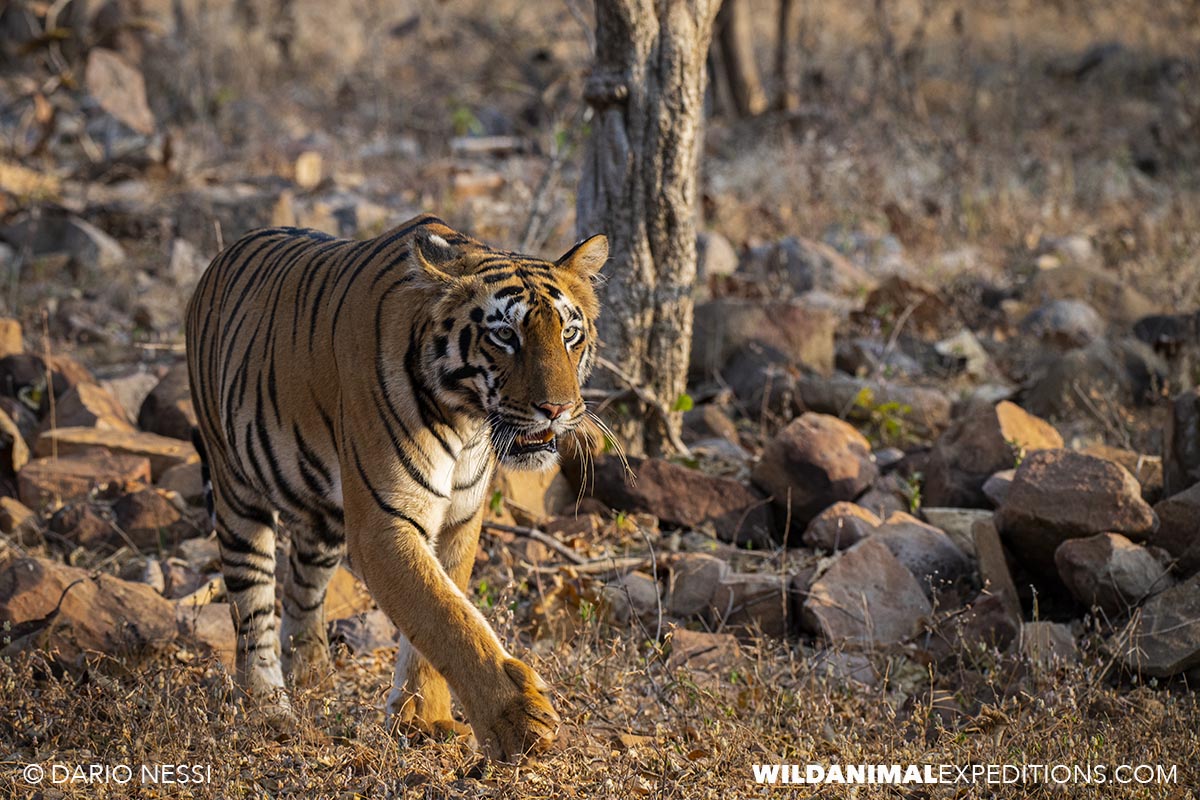
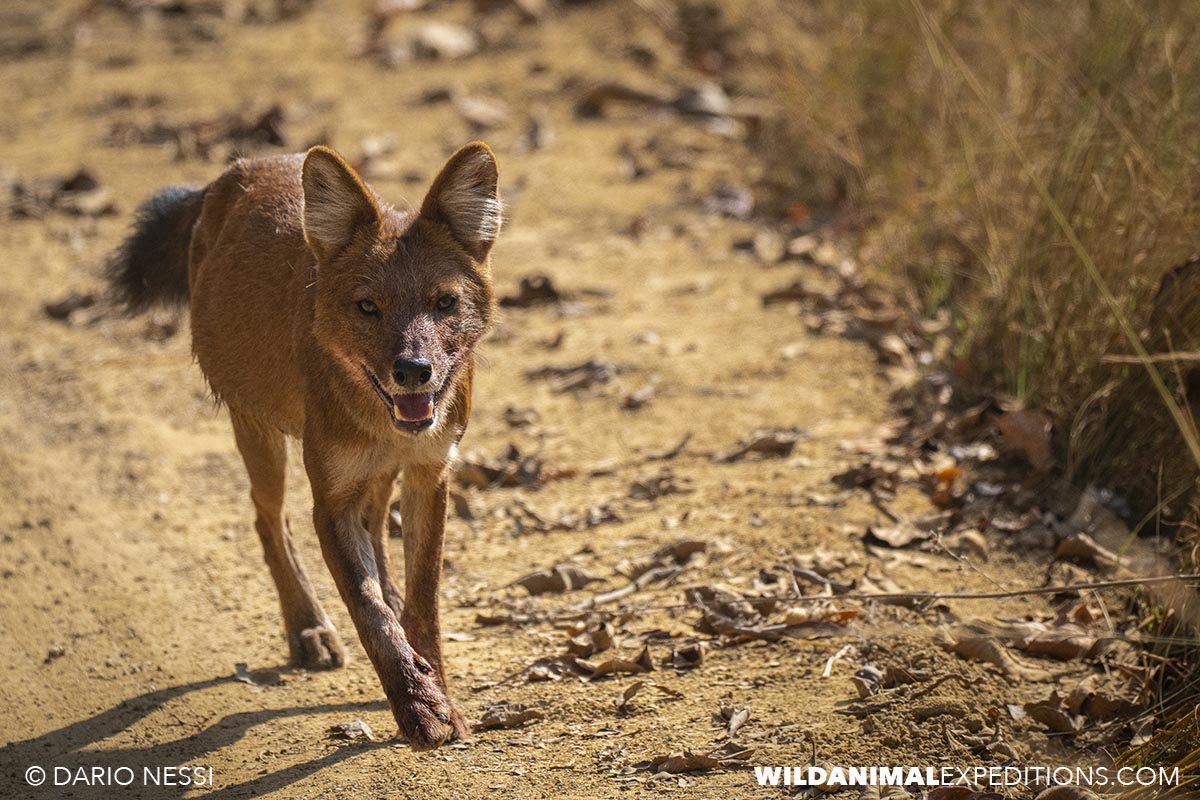
On the way out we got suprised by a lone wild dog (Dhole) shooting across the road in front of us.
Day 3
On day 3 we spent morning and afternoon in the core zone. While we had a great morning, observing two subadult male tigers, which are the offspring of a well known female called “Bijlee” and also some nice closeup wild dogs, it was the afternoon that blew us completely away.
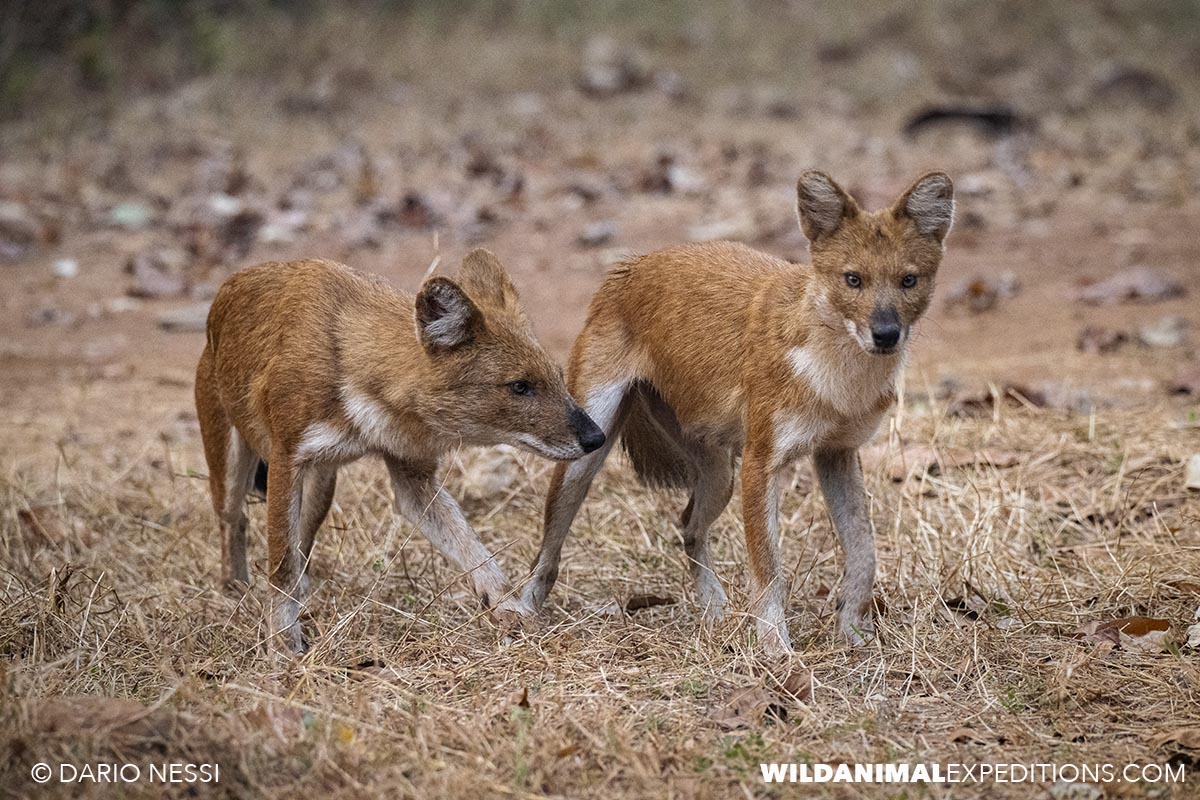
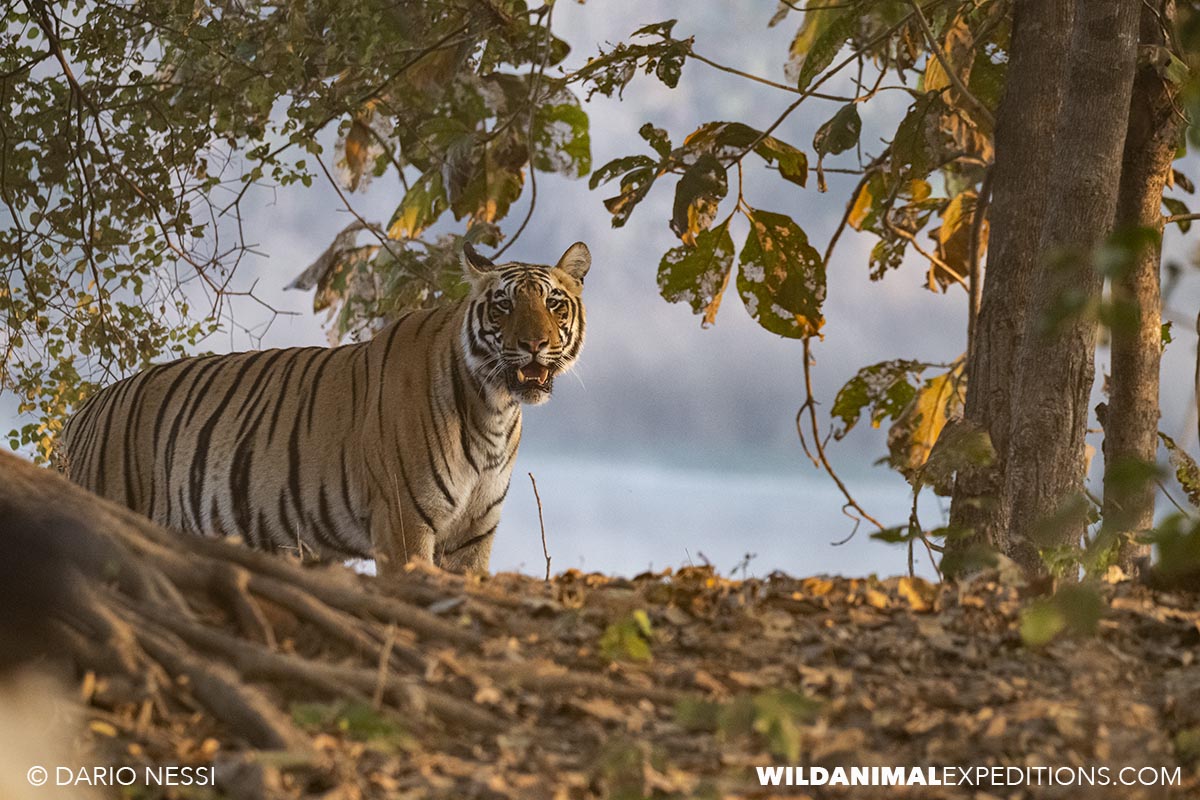
The beginning didnt seem too promising, since the areas we started from were completely dry – no alarm calls, no fresh pugmarks. We decided to take a risk and drove a long distance to the opposite side of the core zone, where other tigers roam.
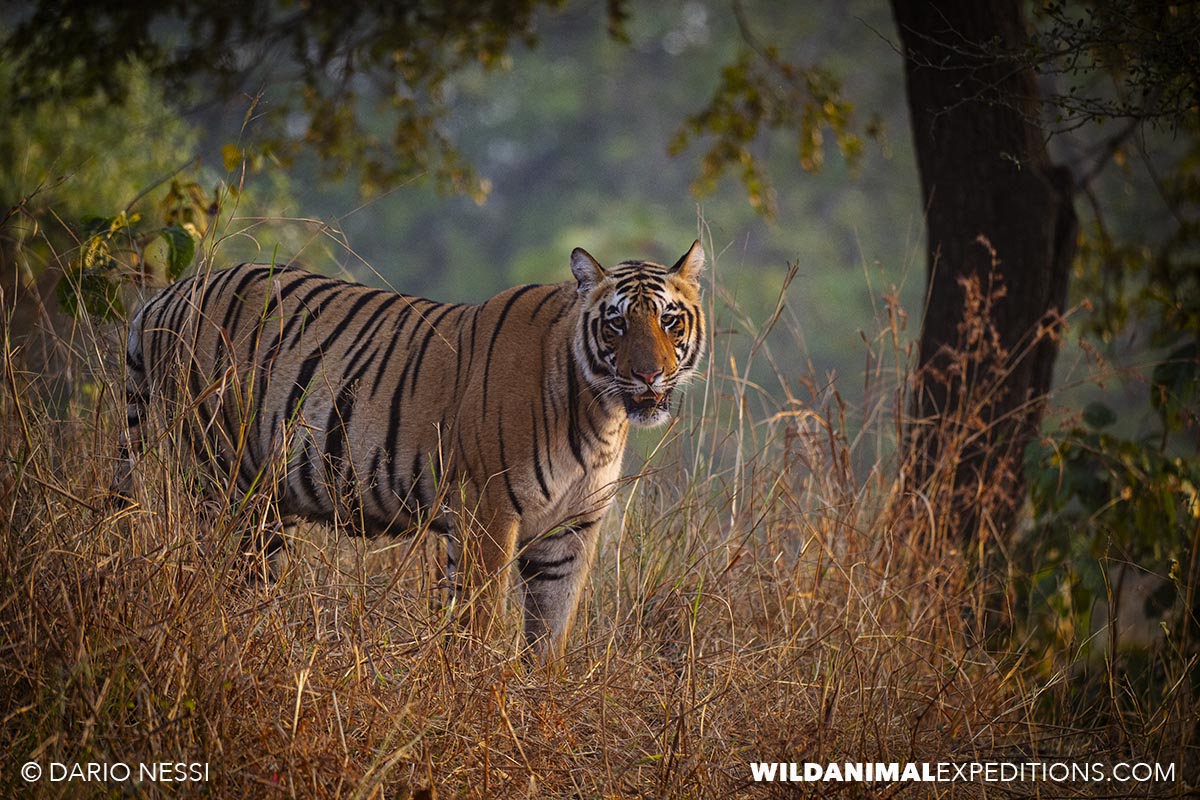
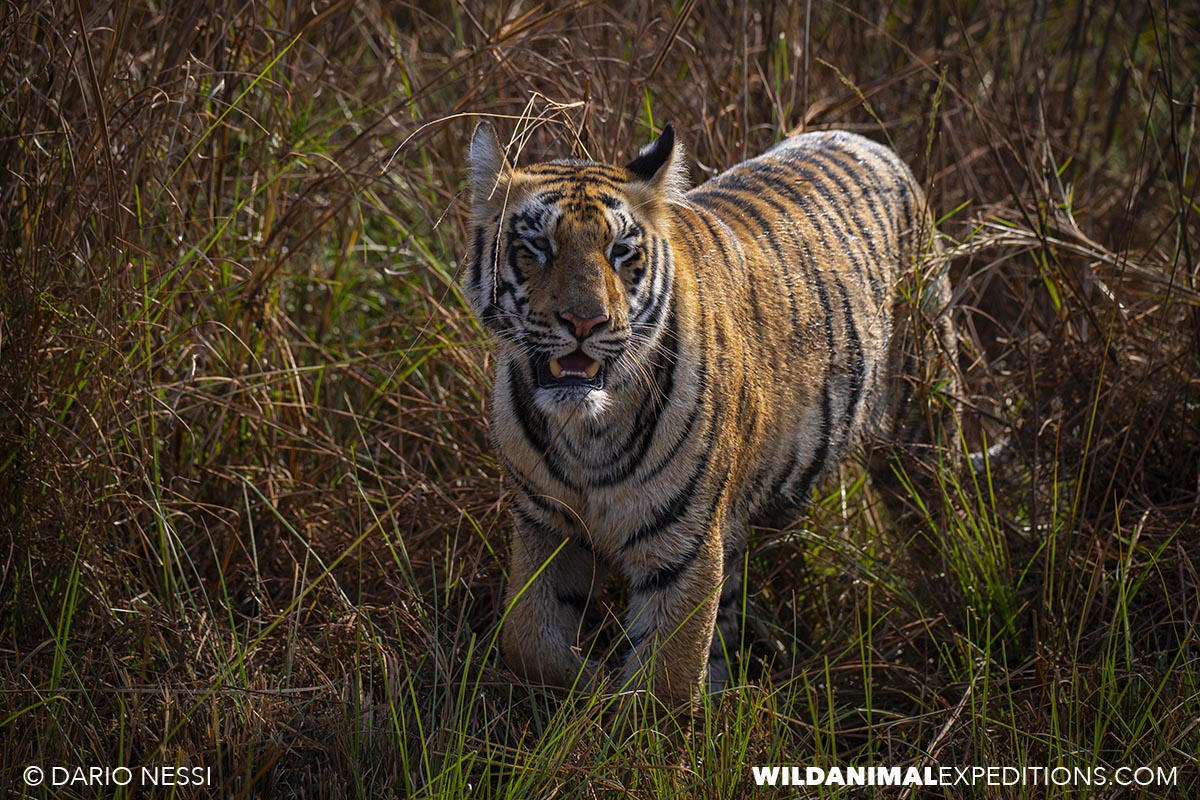
And sure enough, we got to a lake where 3 females subadult cubs by the female “Collarwali” were playing in the water. It was a far away view and there was a large field of tall grass between us and the tigers. Only a few minutes later though one of them disappeared and we started to get excited, because there was a chance she would move closer towards us and maybe out of the tall grass. We didnt see the tiger, but by observing the movement of the tall grass, we saw where she was heading: straight towards our vehicle. We saw her emerge from the tall grass, directly looking at us and again so close, even on minimal focal length, I barely managed to frame her. Shortly after, the second cub came out in front of our vehicle and the third one behind us. At that age of roughly 12 months they were still pretty shy and quickly disappeared into the forest, but what a view!
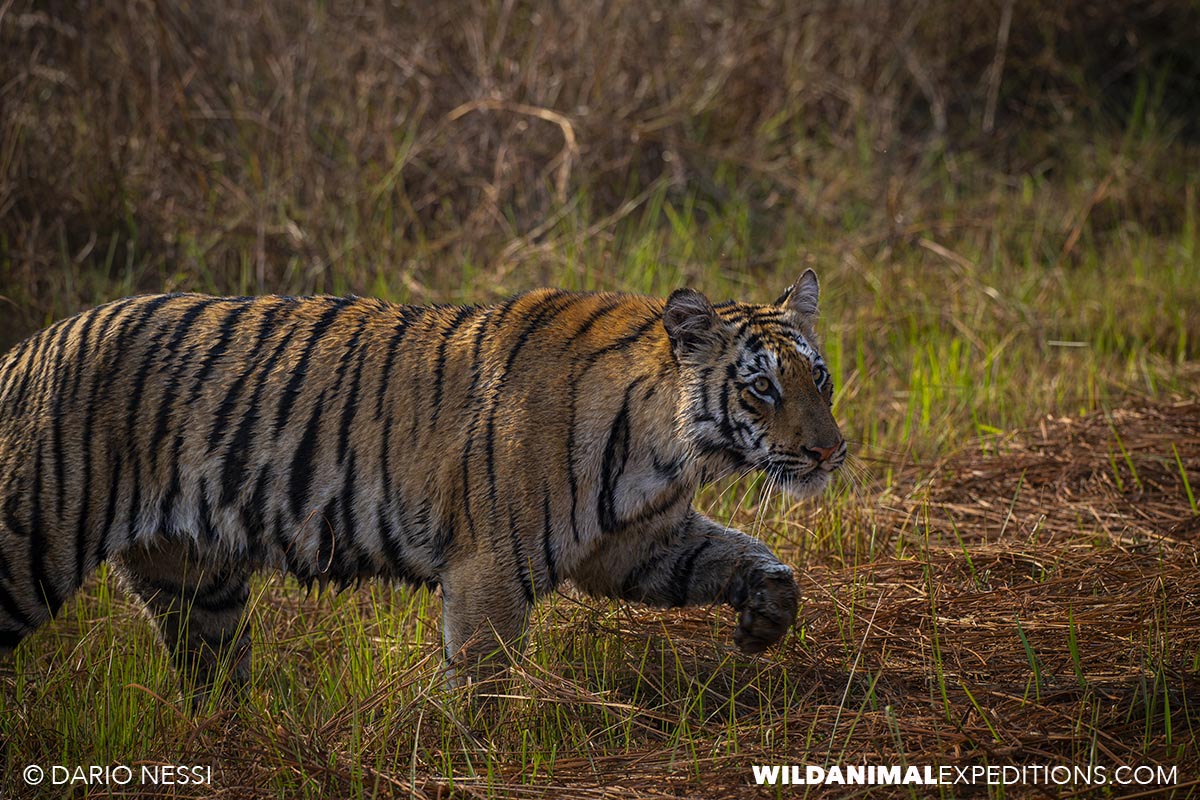
Already super happy we drove back to our own range of the core area, not knowing that the tigers had more in store for us this afternoon. As soon as we were back, we encountered the two male cubs again close to where we saw them in the morning.
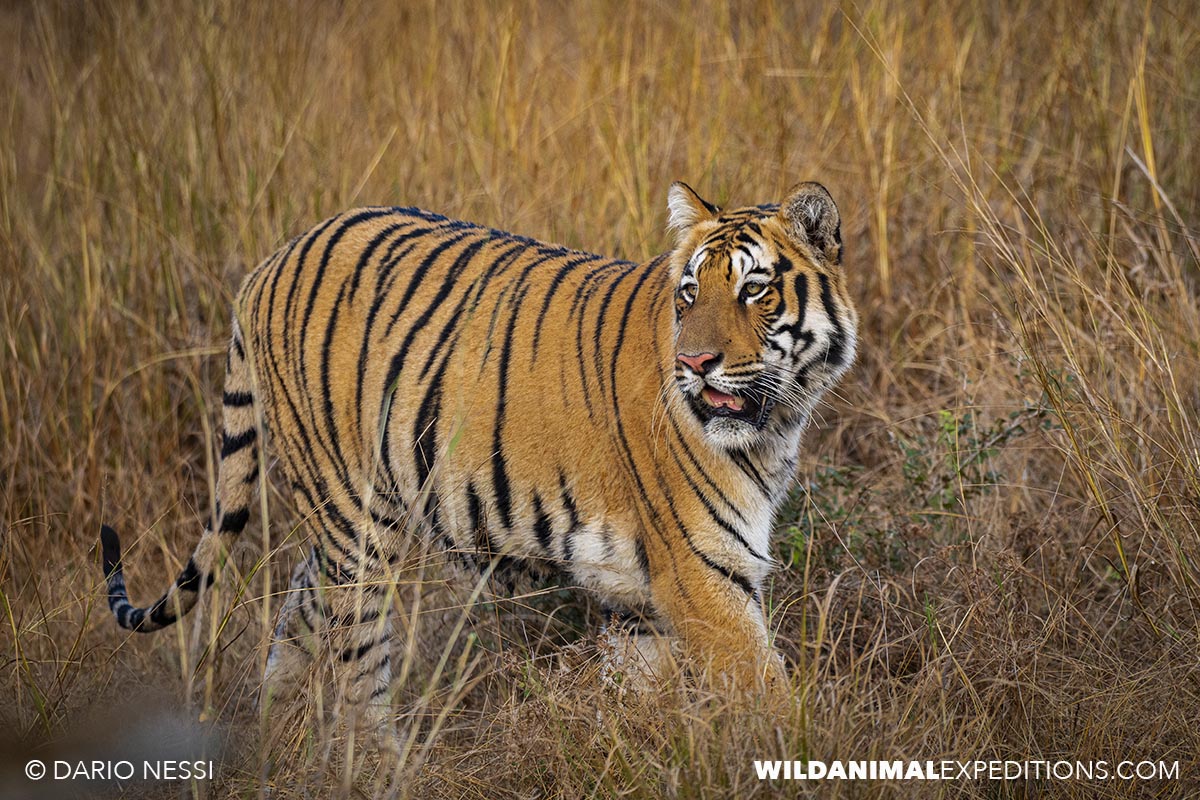
After observing them for a while, it was time to slowly head back to the gate we entered from, but we made a quick stop in a spot where a vehicle before us saw a leopard crossing the road. We waited for a few minutes and
suddenly the few vehicles that congregated there started to rush towards the main road. We thought the leopard has emerged, but it was yet another tiger. This time it was “Bijlee” herself, the mother of the two young males. She is a beautiful and bold tigress that also walked straight towards our vehicle.
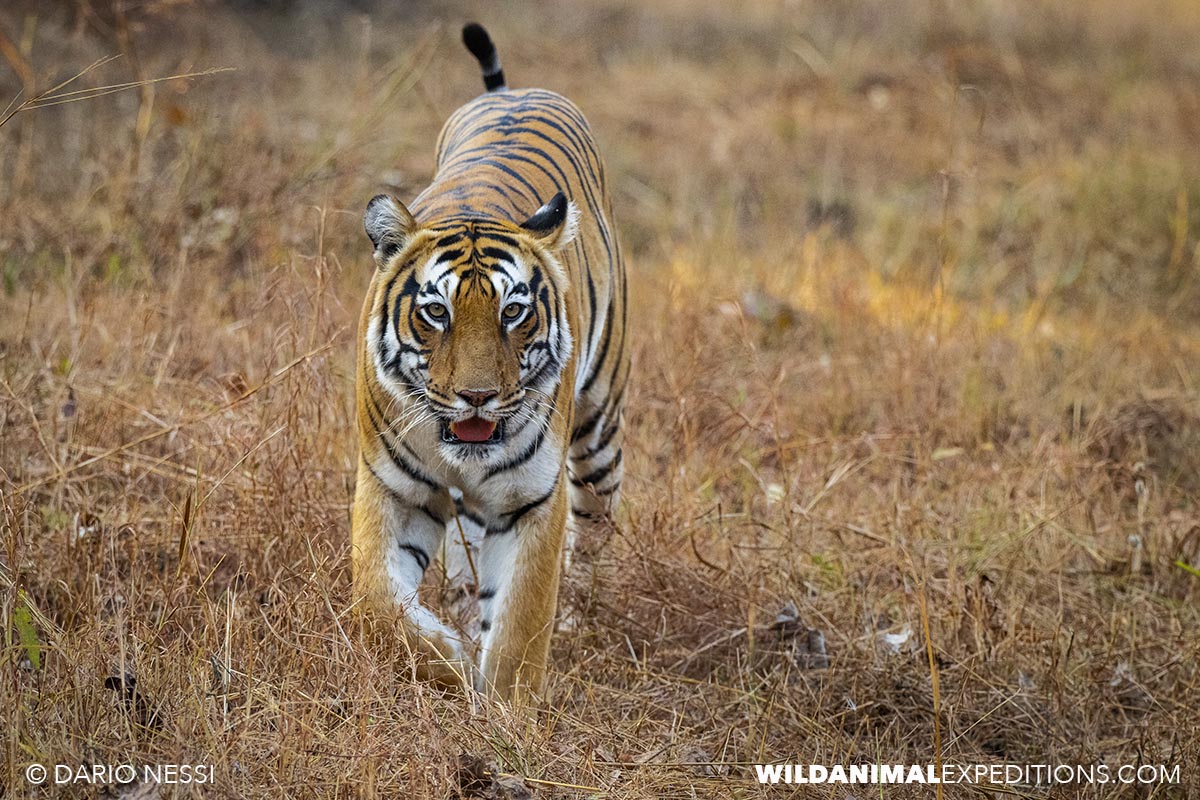
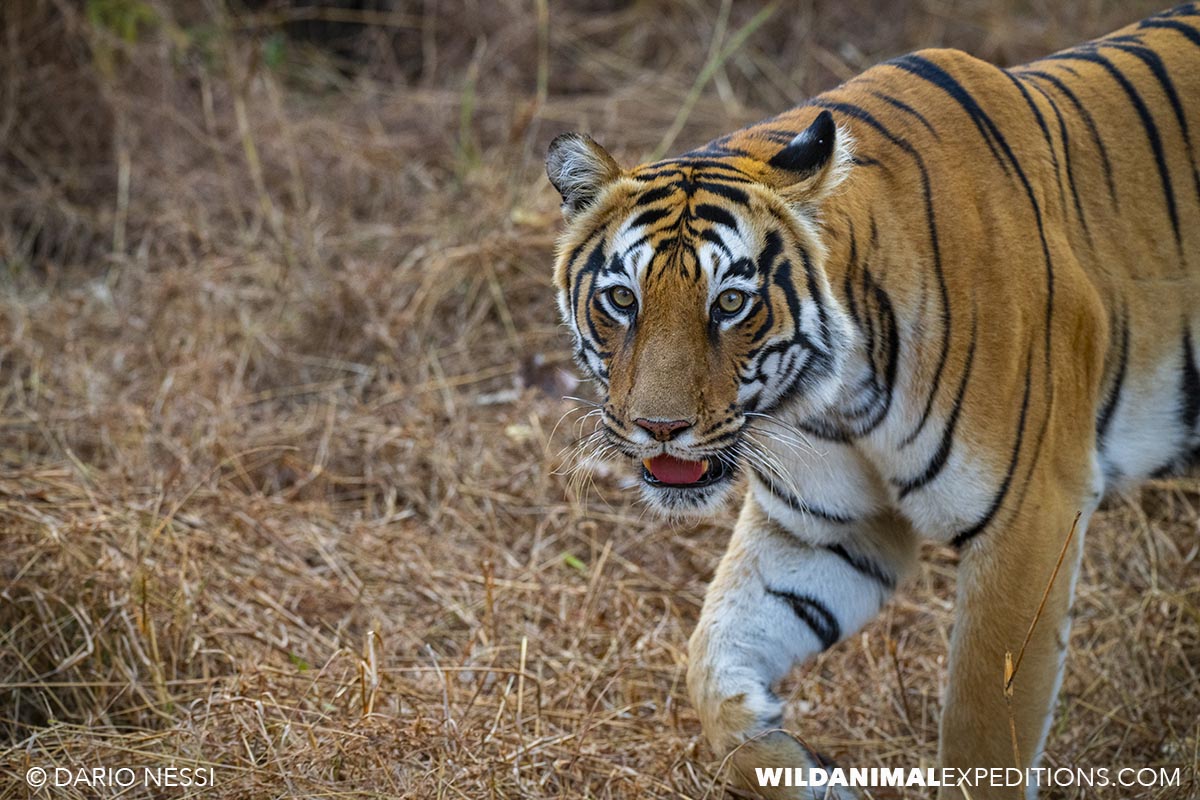
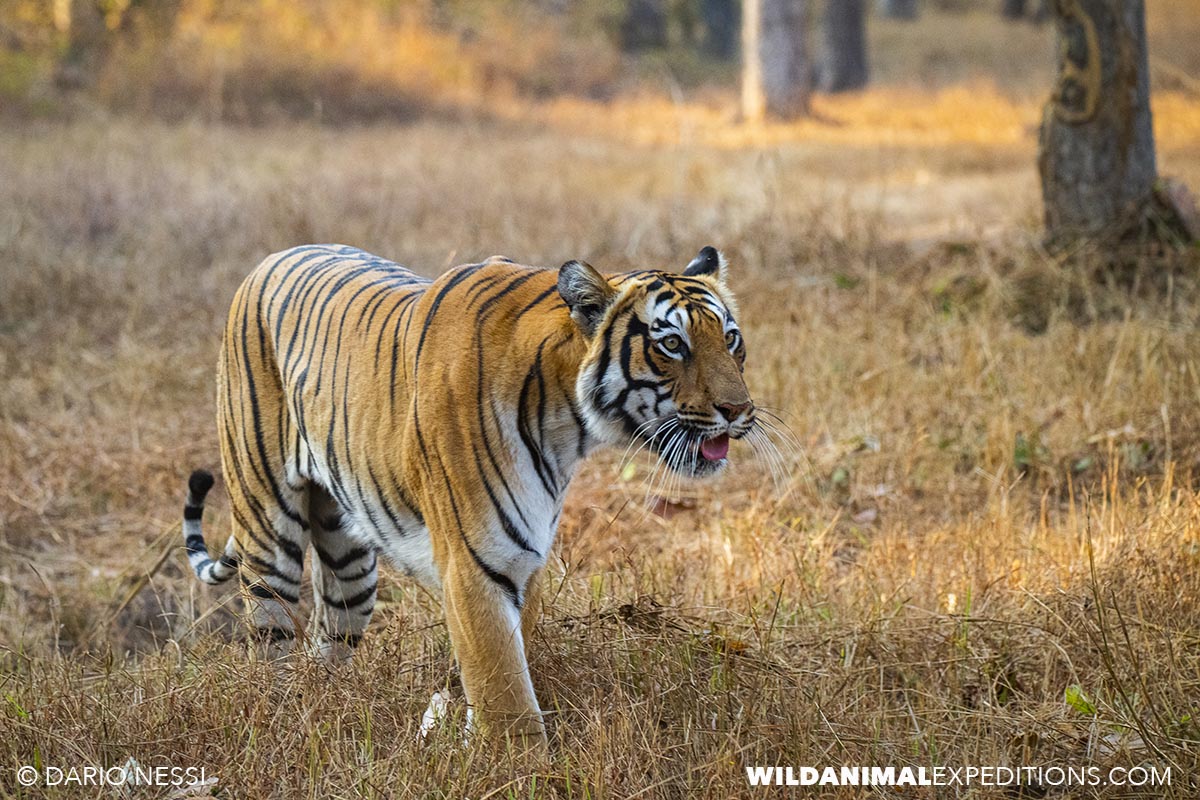
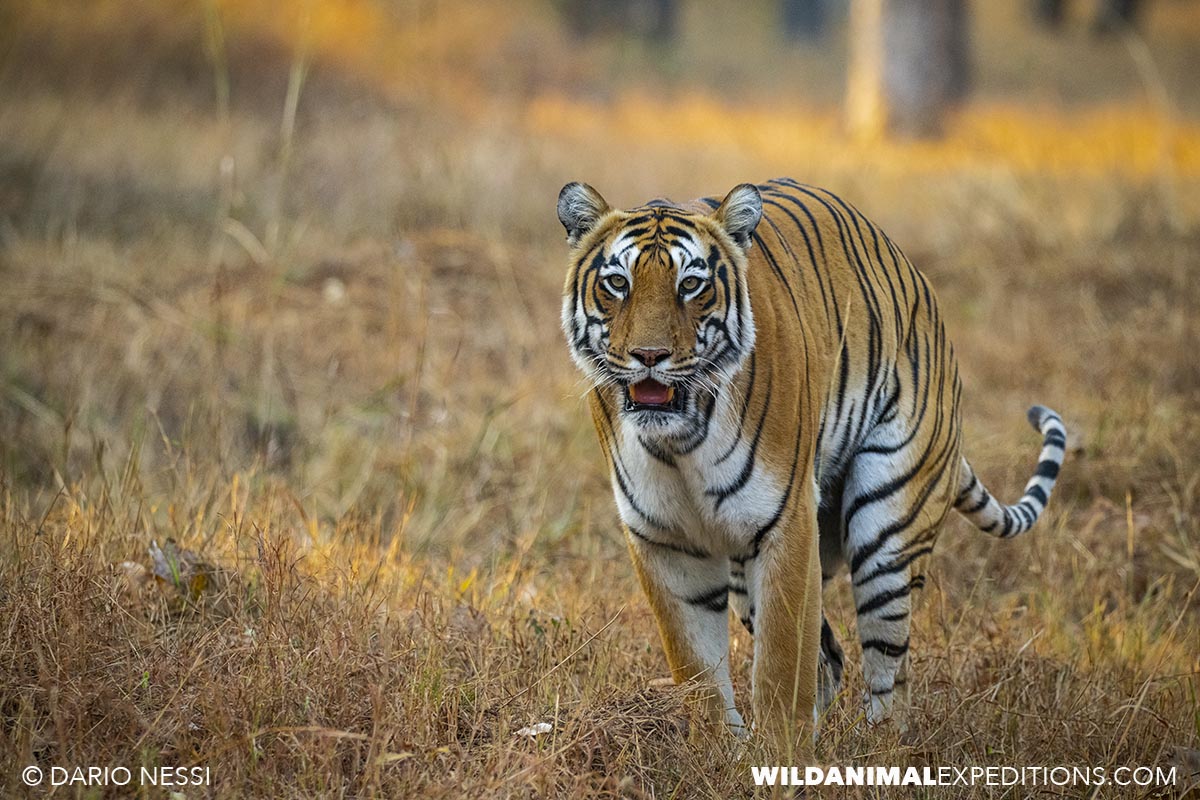
The majestic appearance of one of Tadobas queens, ended in a less graceful situation, when she was defecating right in front of us, while making awkward eyecontact.
Everyone was on a high after seeing 6 individual tigers in a single afternoon.
Day 4
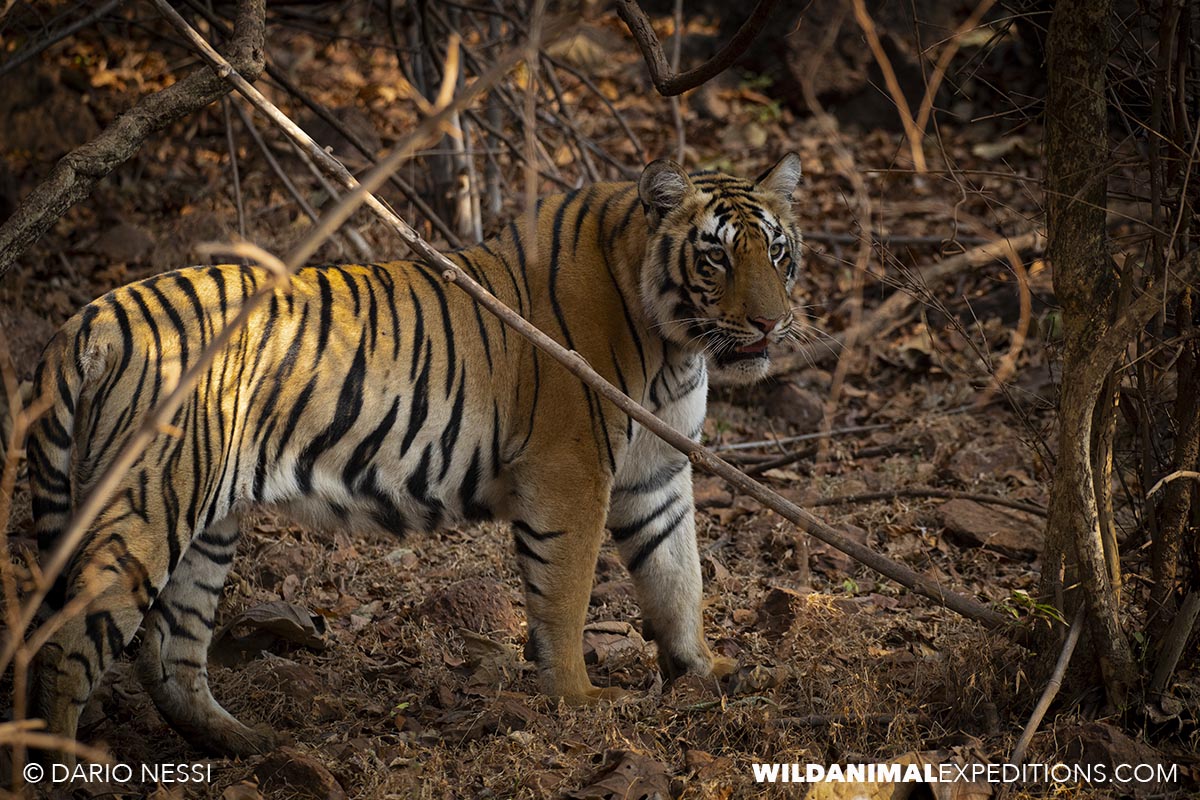
On day 4 we got to encounter a new tigress we havent met before. This time we saw “Collarwali” another famous female of these areas and the mom of the 3 female cubs we saw the day before.
In the afternoon we got to witness a situation, that many of our guests mentioned as the highlight of our trip.
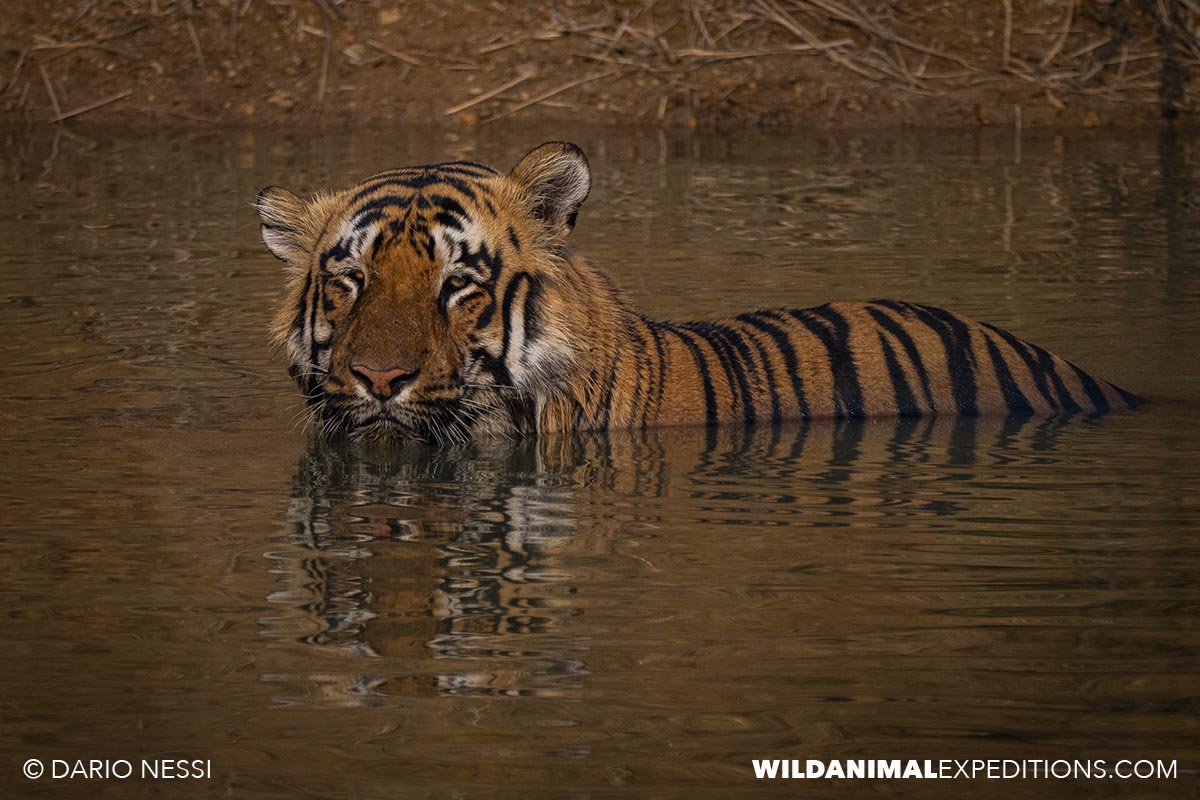
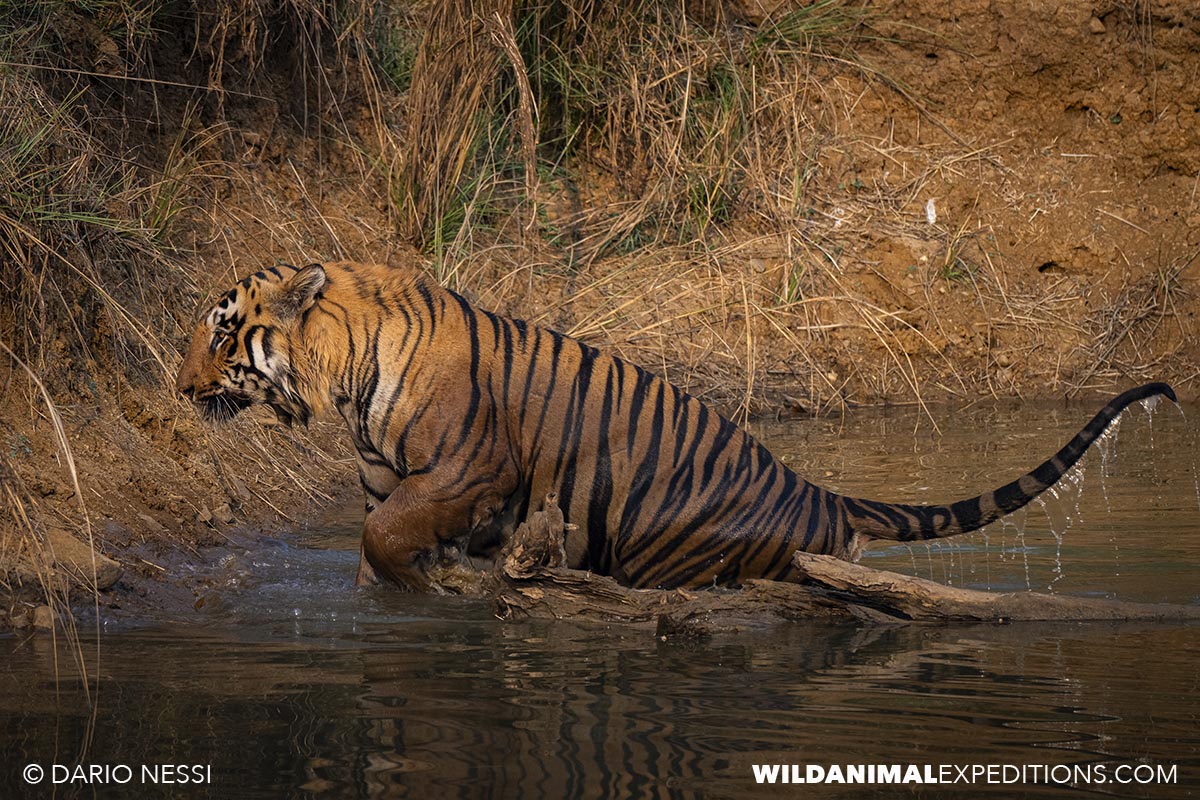
In one of the buffer zones we found “Xylo” sleeping in a waterhole, cooling down from the rough heat of the midday sun. Xylo is the dominant male of 3 different buffer zones. He is a massive male tiger, around 8 years old, ruling a huge territory, so just seeing him was a privilege.
We were parked front row at the waterhole where he was laying and the waiting game started. We invested about 1.5 hours, waiting for him to wake up, eventhough there was a high chance, that after such a long nap, he will just quickly exit the waterhole and simply disappear. Fortunately for us he didnt do that, but once he fully woke up, he swam across the whole waterhole.
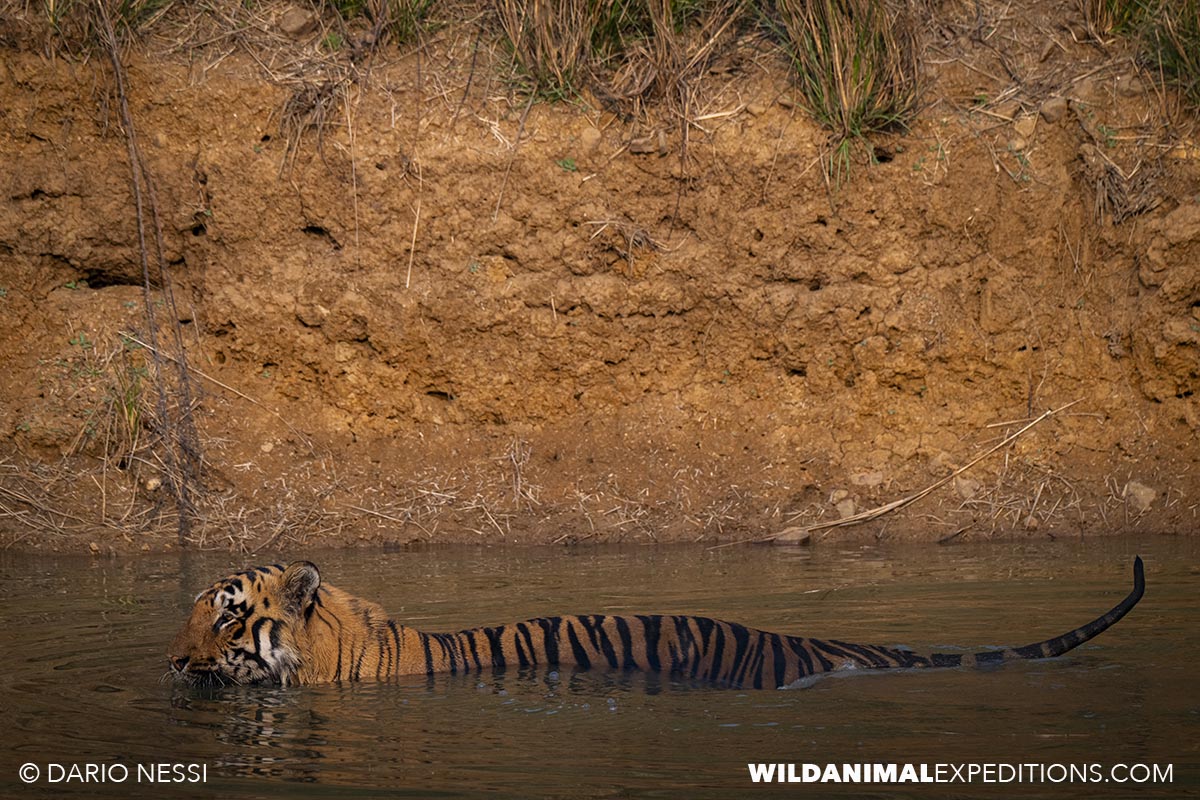
A rare and wonderful thing to witness a tiger not just cooling off in the water, but actually see him swimming.
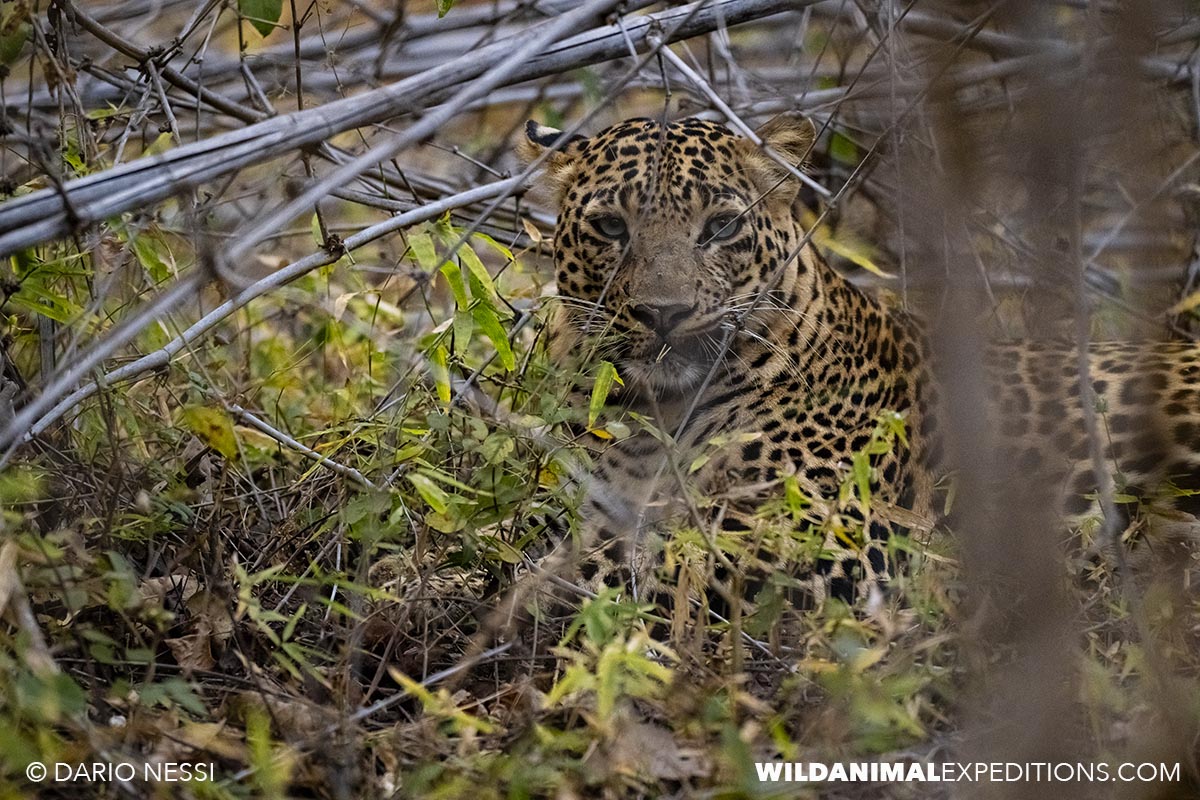
On the way out we got another delightful surprise: we came across a male leopard that was laying in the undergrowth, just a few meters away from the road. Funny enough this sighting happened right after we discussed, how hit or miss leopards in India can be. A great ending to the day.
Day 5
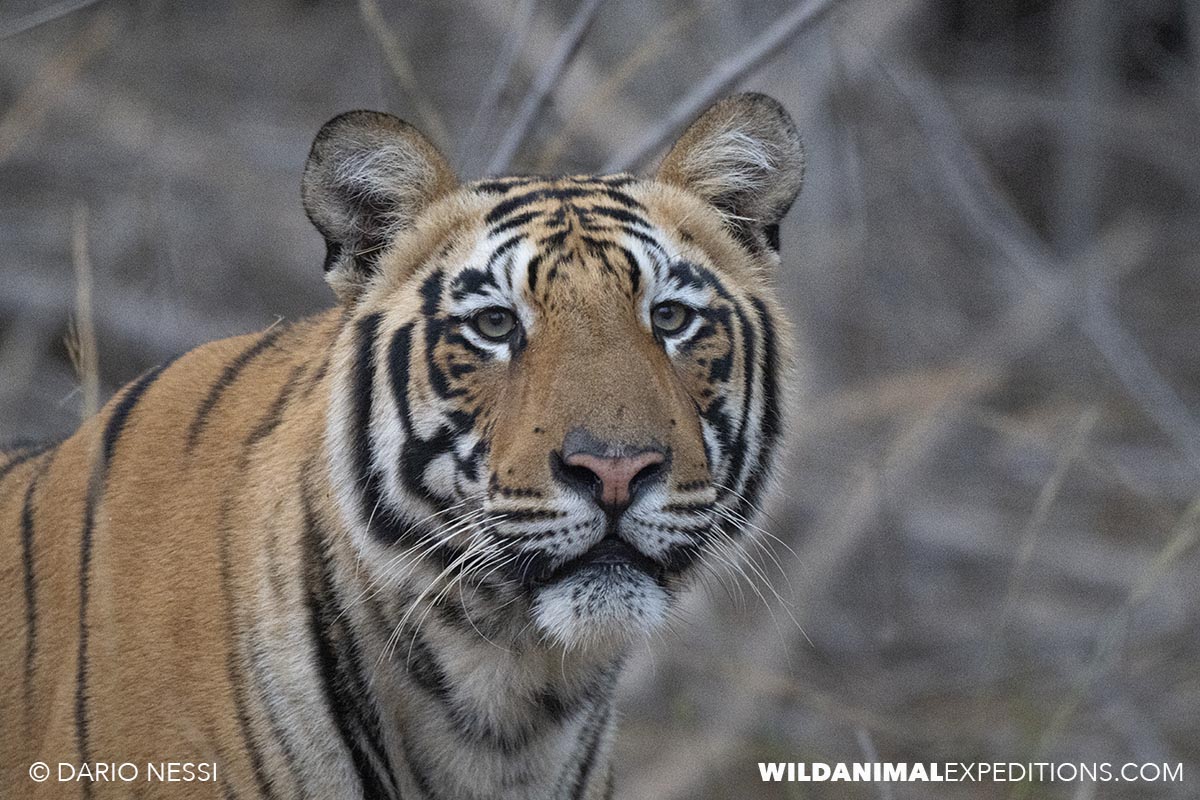
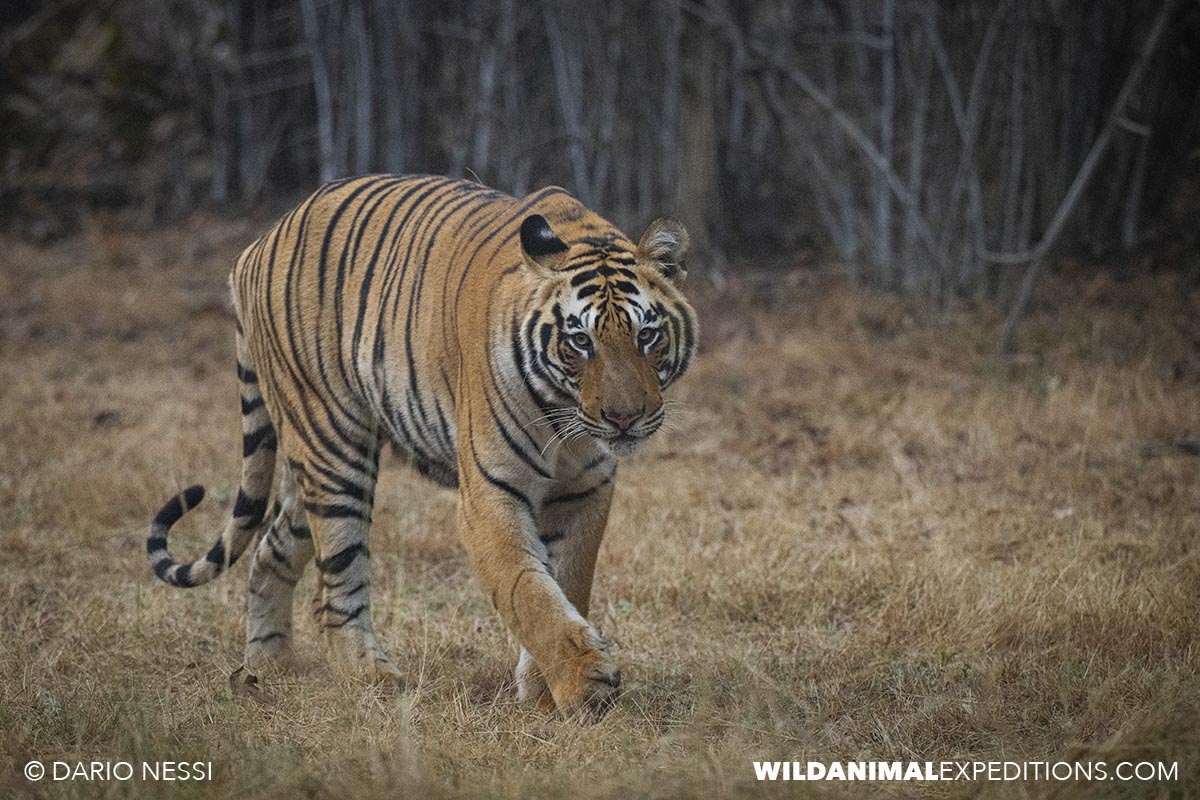
On the morning of day 4 we got surprised once again by the two subadult males, walking along in an open area. An absolute power duo that will stay together for a while, until both of them fully developed their individual hunting skills and will claim their own territory.
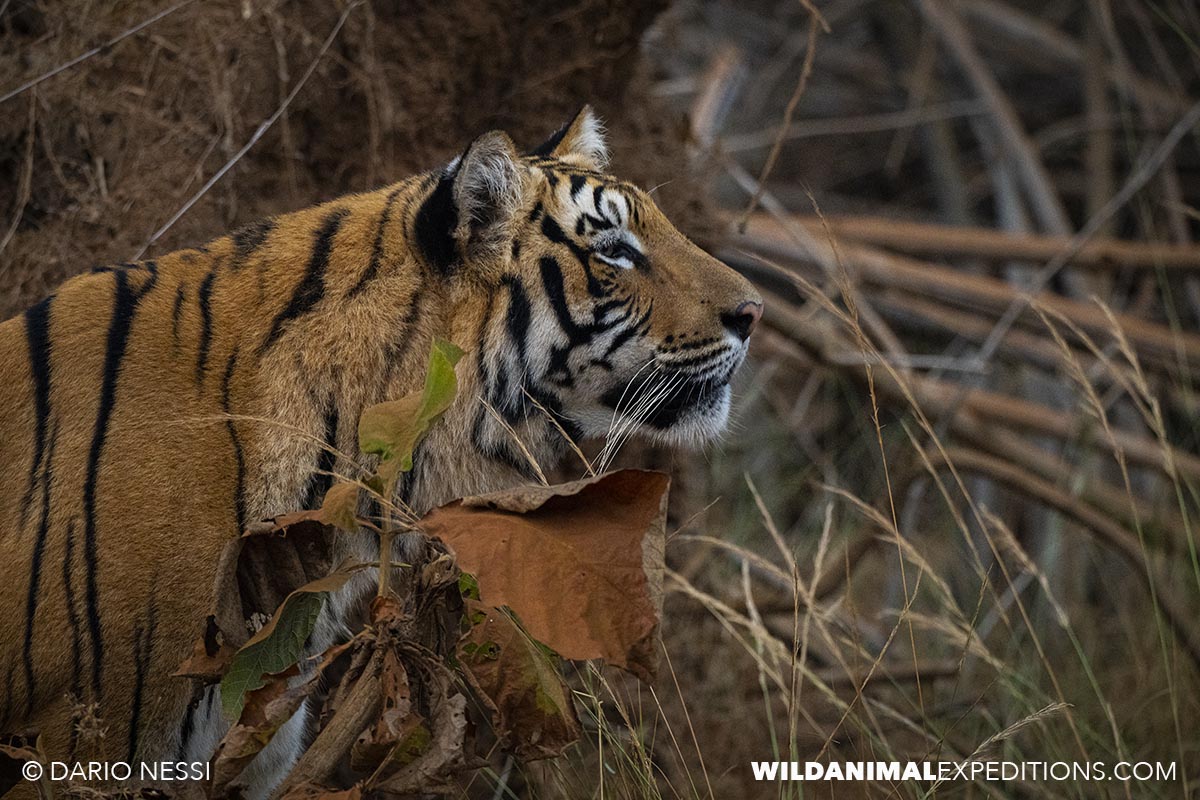
On our last day we also managed to see a species that so far has been avoiding us: the funny looking sloth bear. Only part of our guests got to take some photos of it, while it crossed the road in front of their vehicle, but atleast we all got to see it through the thick vegetation.
Tadoba blessed us with some amazing sightings and it was sad having to leave while we were on such a lucky streak, but at the same time we were also excited for what the next location had in store for us.
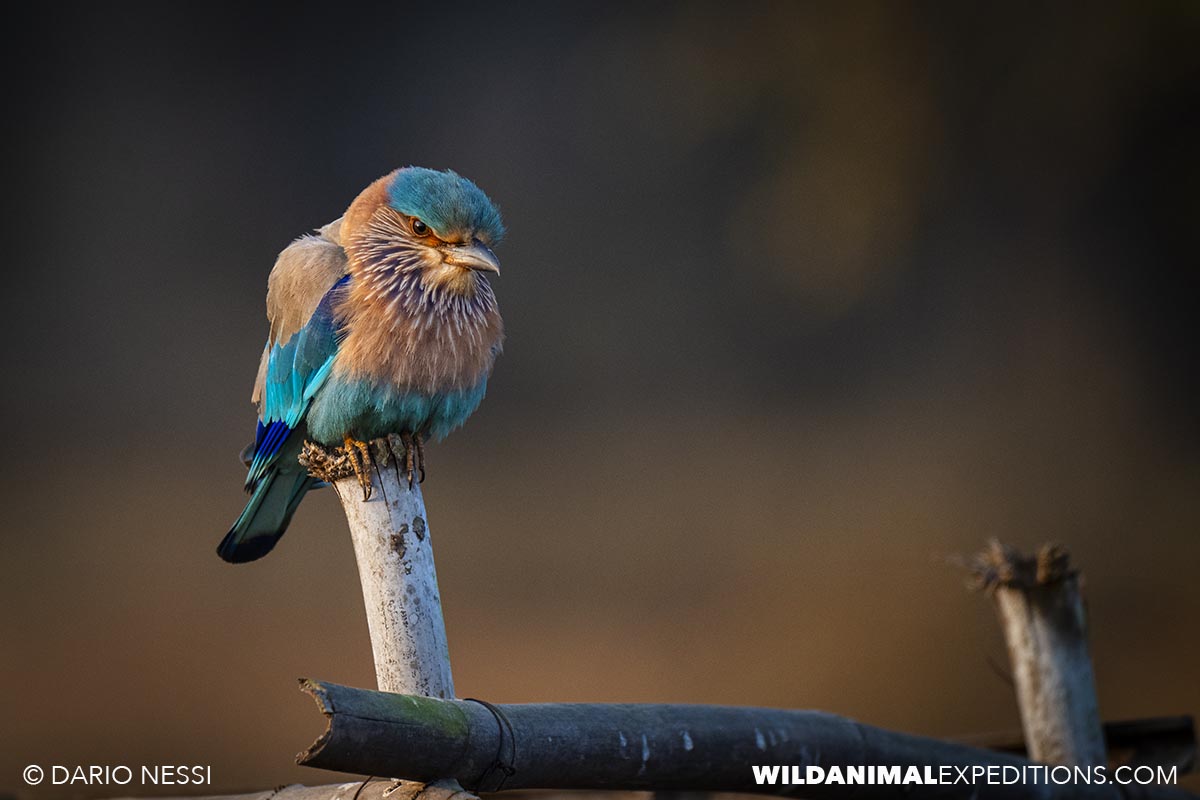
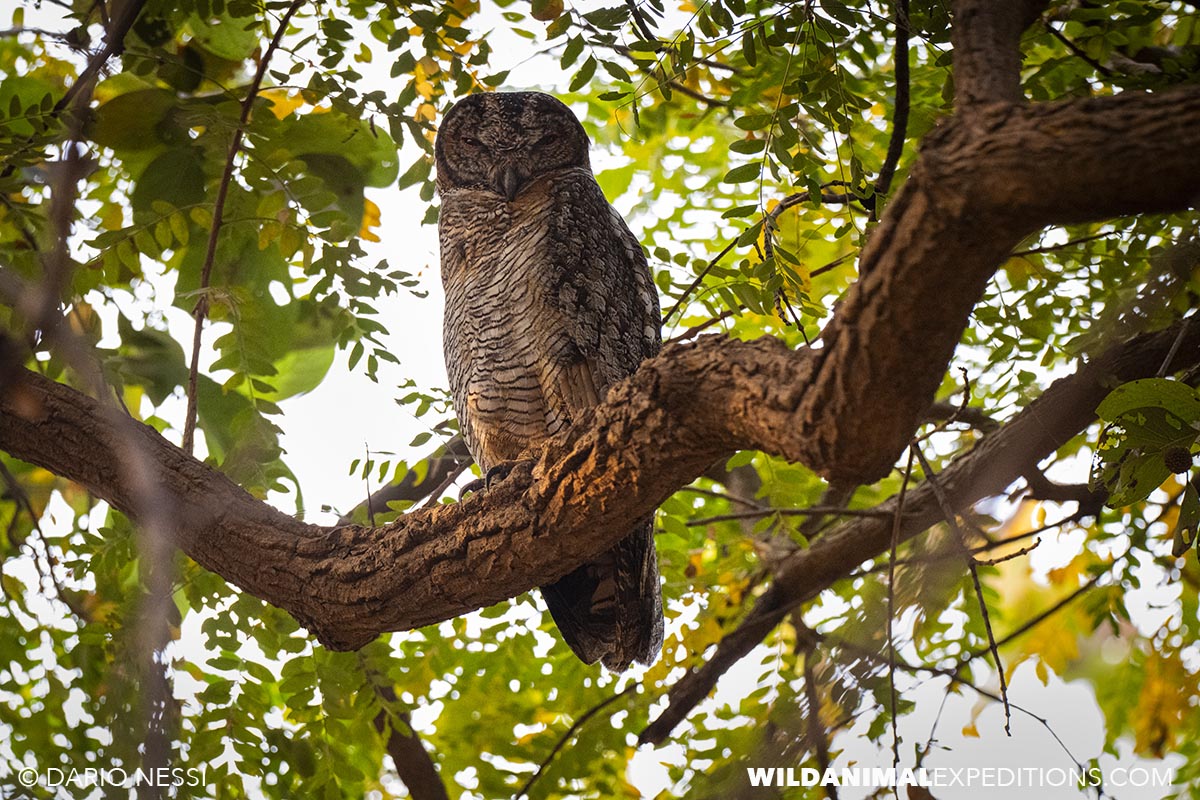
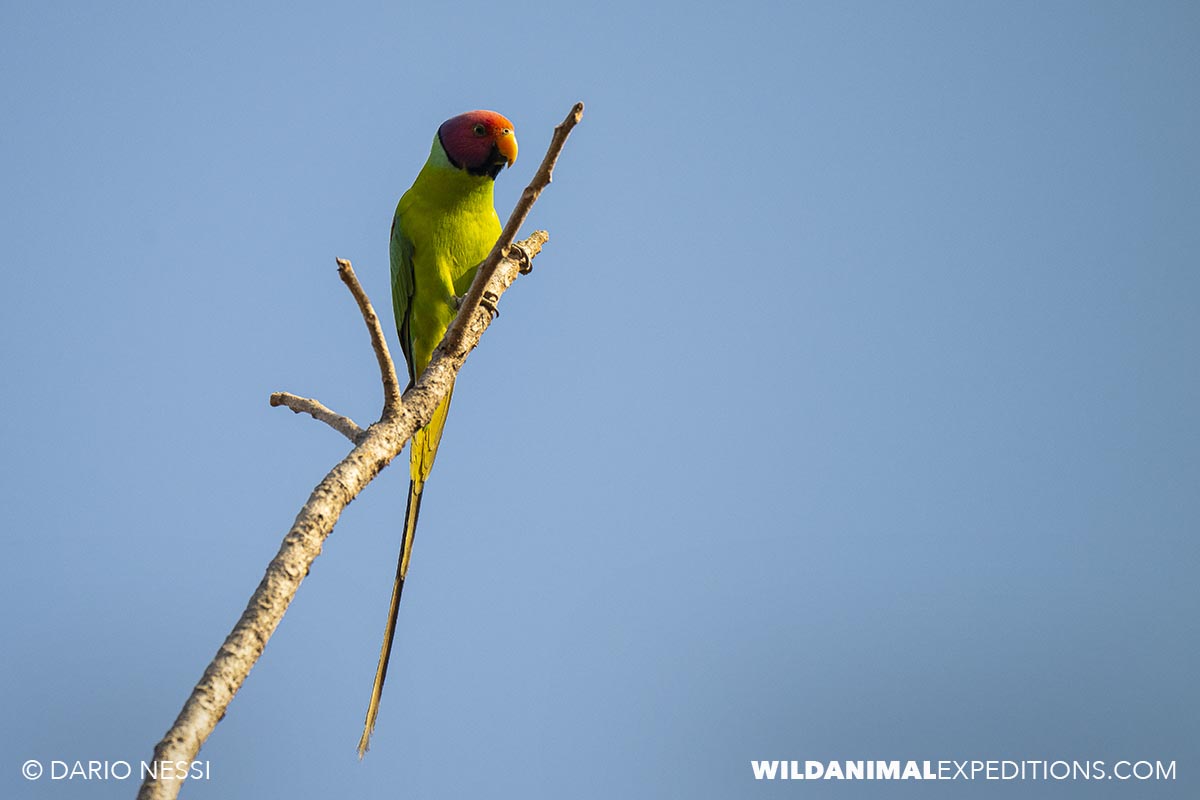
But first, a few more impressions from Tadoba!
Next Stop: Kaziranga – Land of Giants!
After a long and tiring travel day, we reached the far north east of the country, the state of Assam, bordering Bhutan.
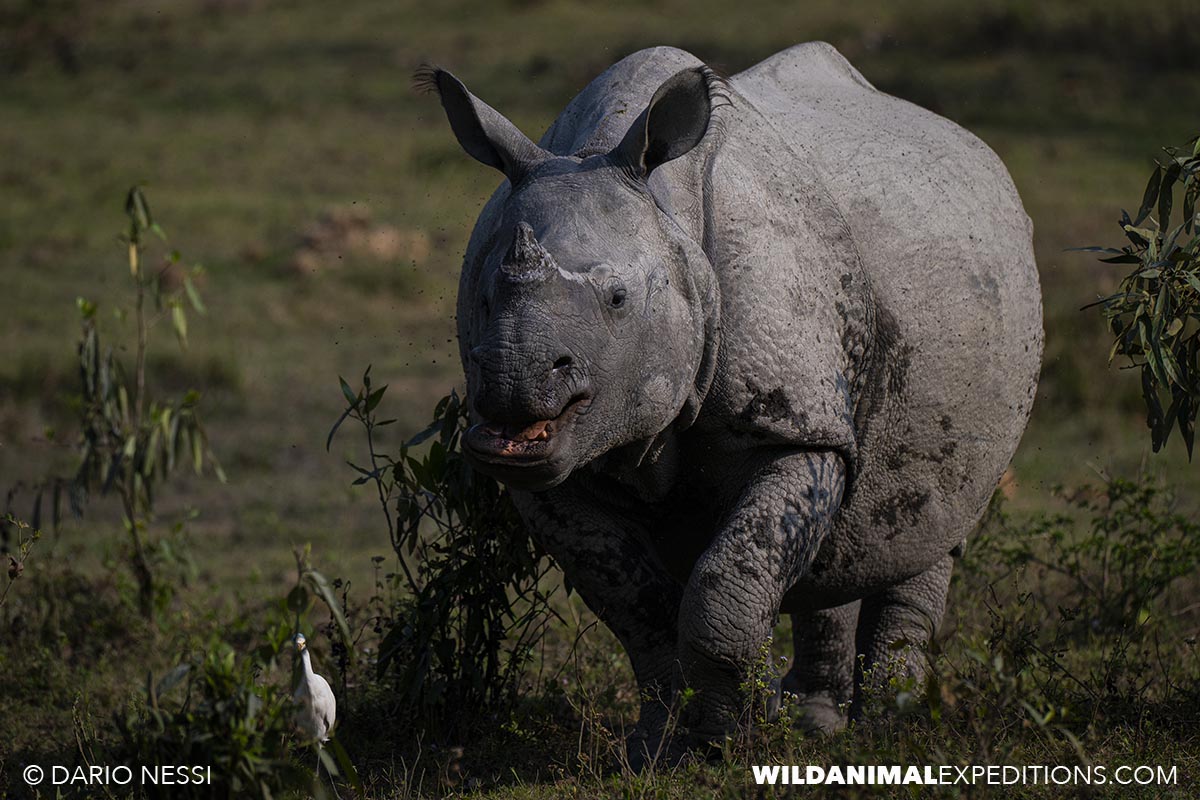
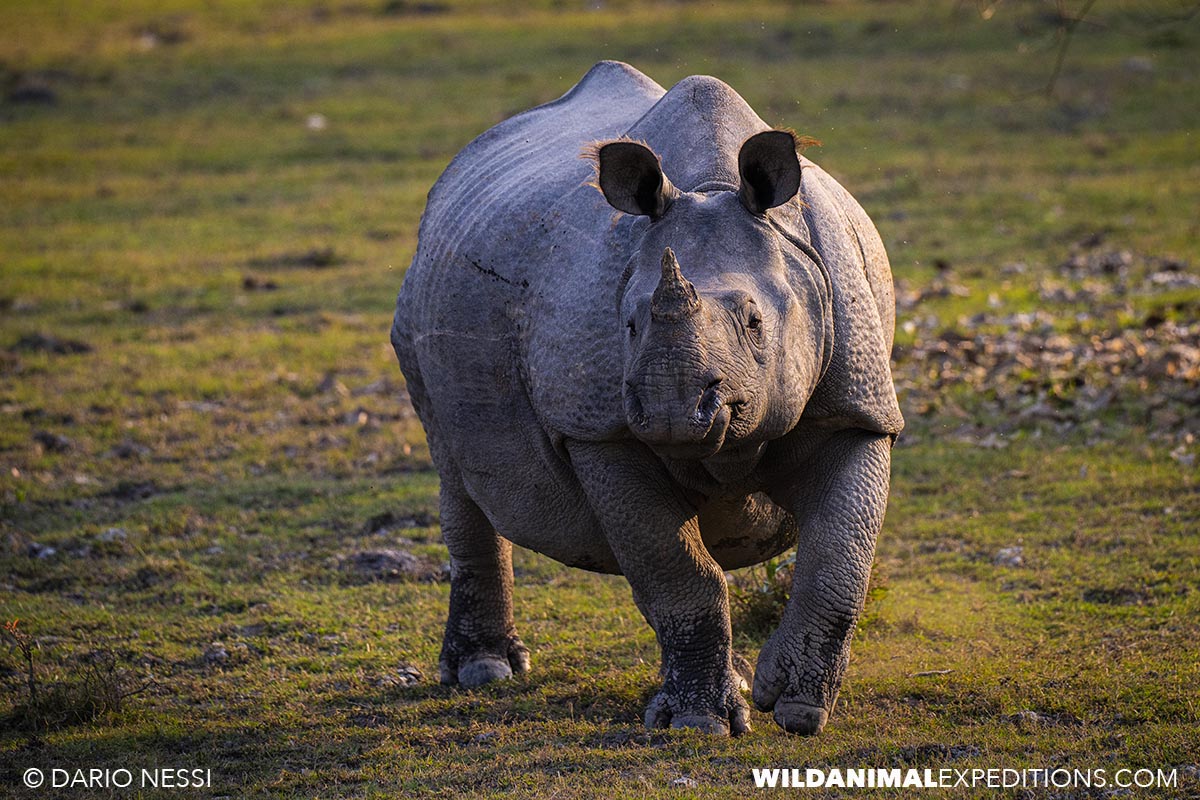
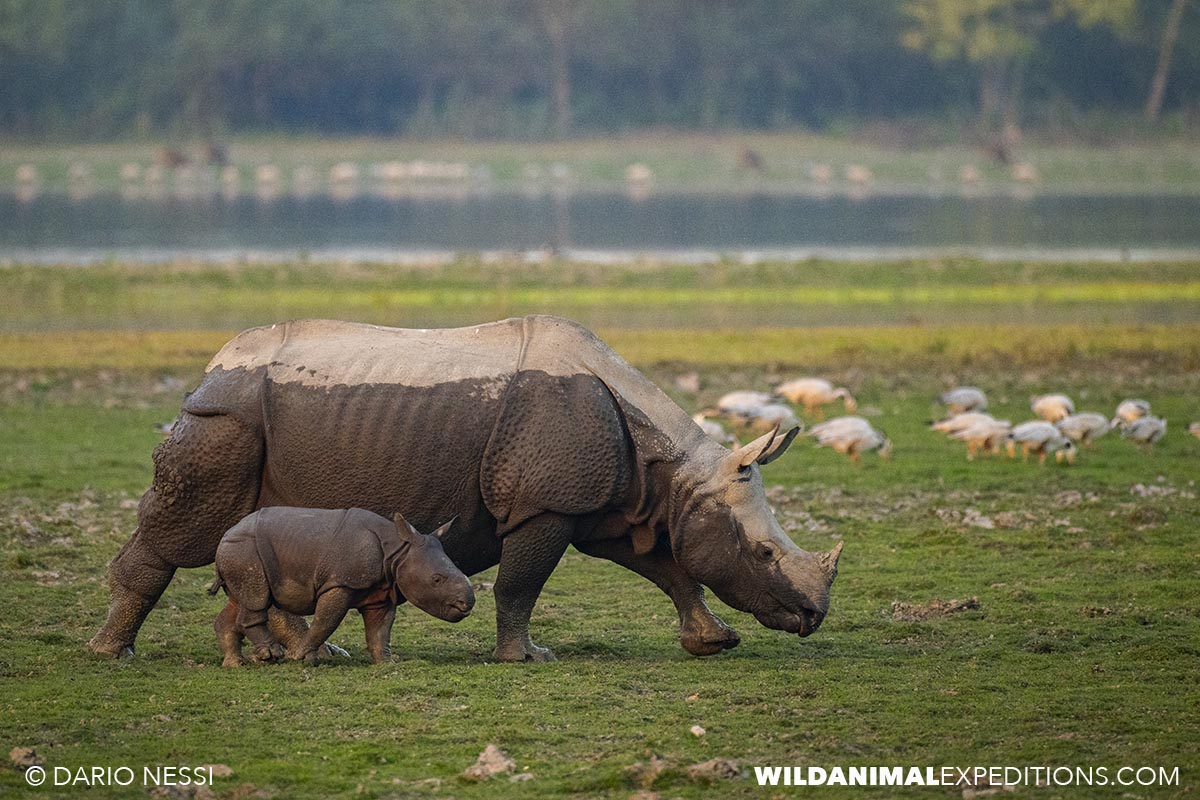
Here we traded in Tadobas dry forests and savannah type grasslands, for lush green jungle, marshy wetlands and large fields of giant elephant grass. While in Tadoba we are hyperfocused on tracking tigers, here in Kaziranga we are more on a relaxed pace, letting things unfold naturally. This is the land where giants roam. Wherever you look, you can spot interesting Megafauna, like our main target: the Indian one horned rhino. Kaziranga holds 80% of the worldwide population of the one horned rhino, so seeing them is absolutely guaranteed.
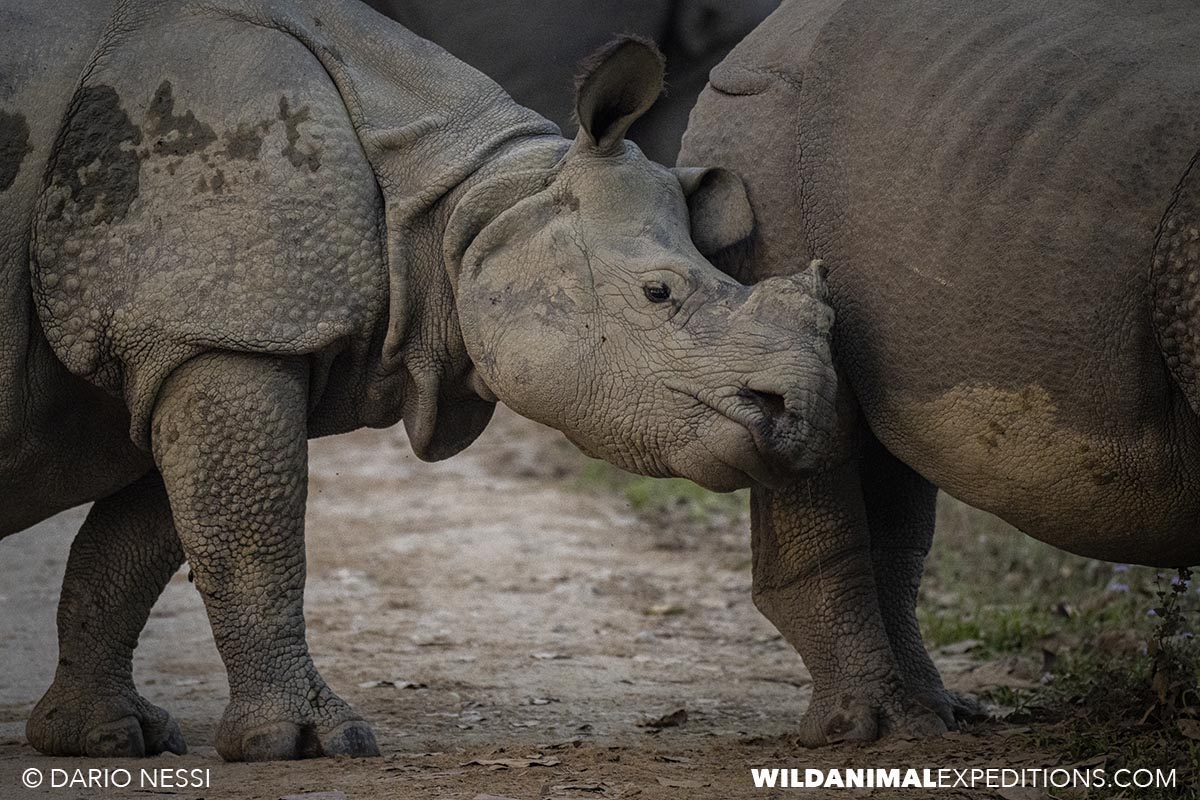
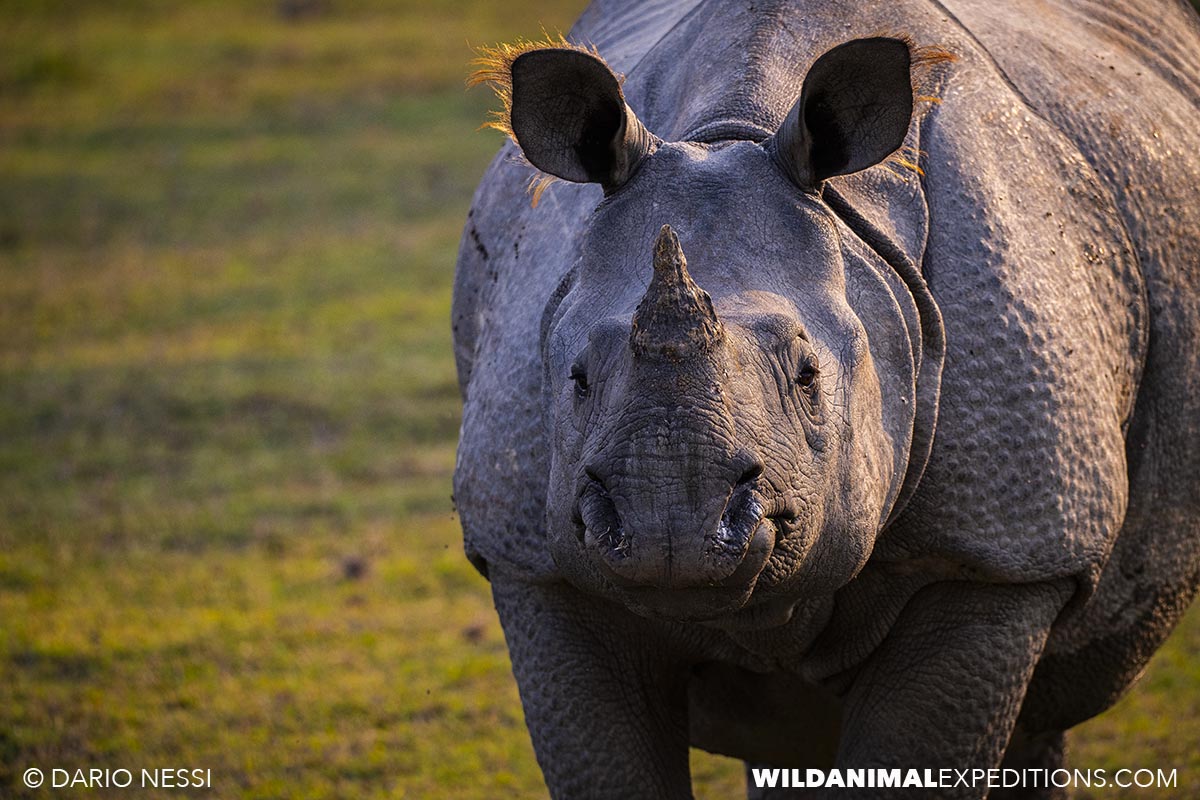
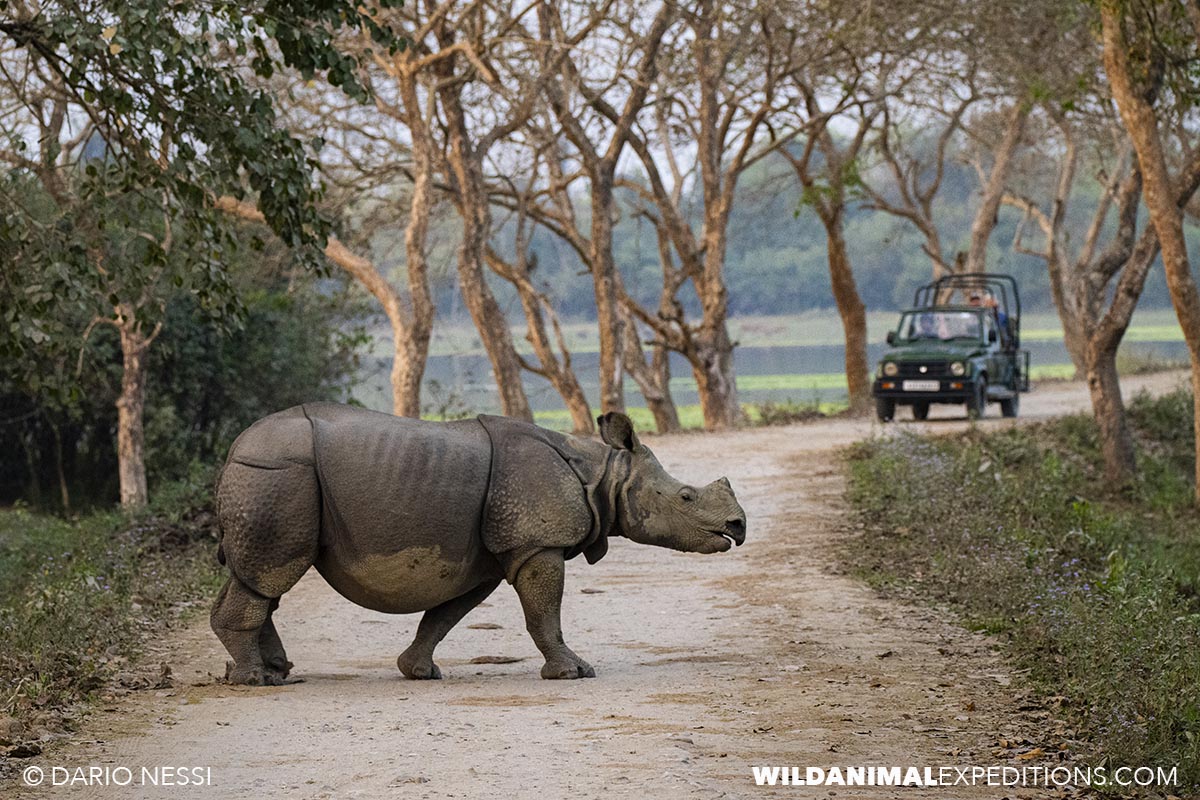
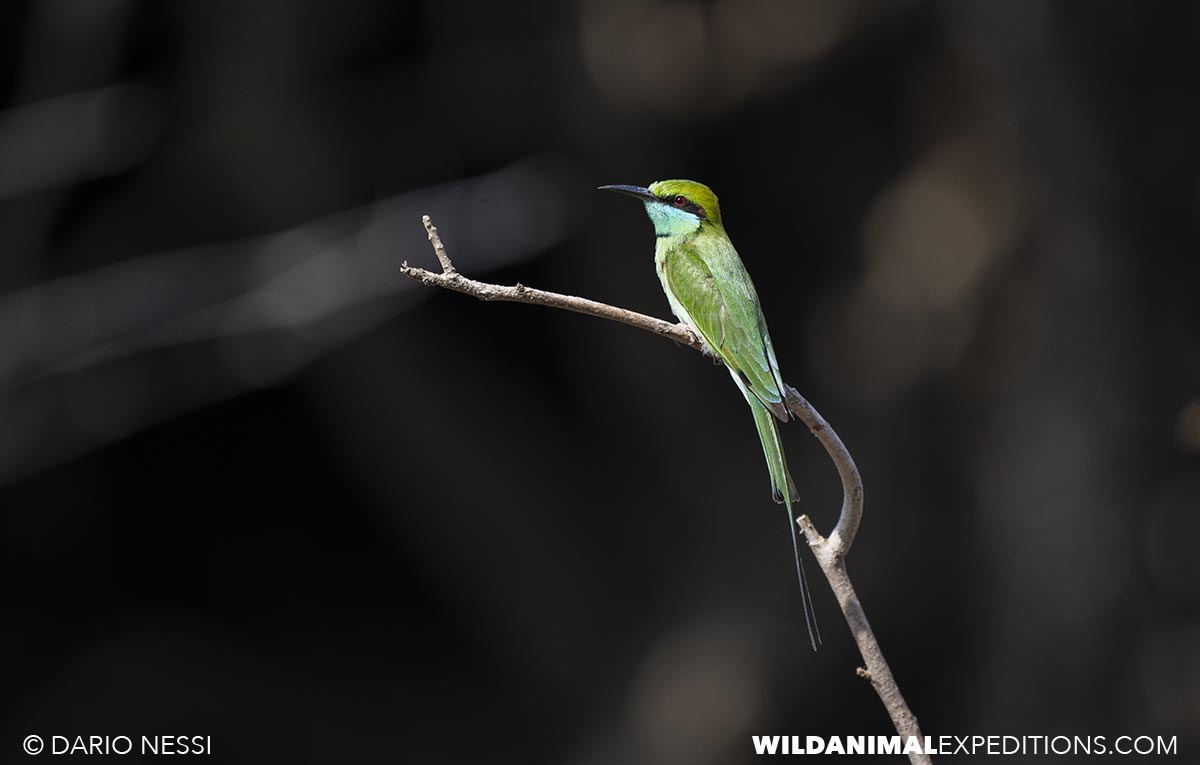
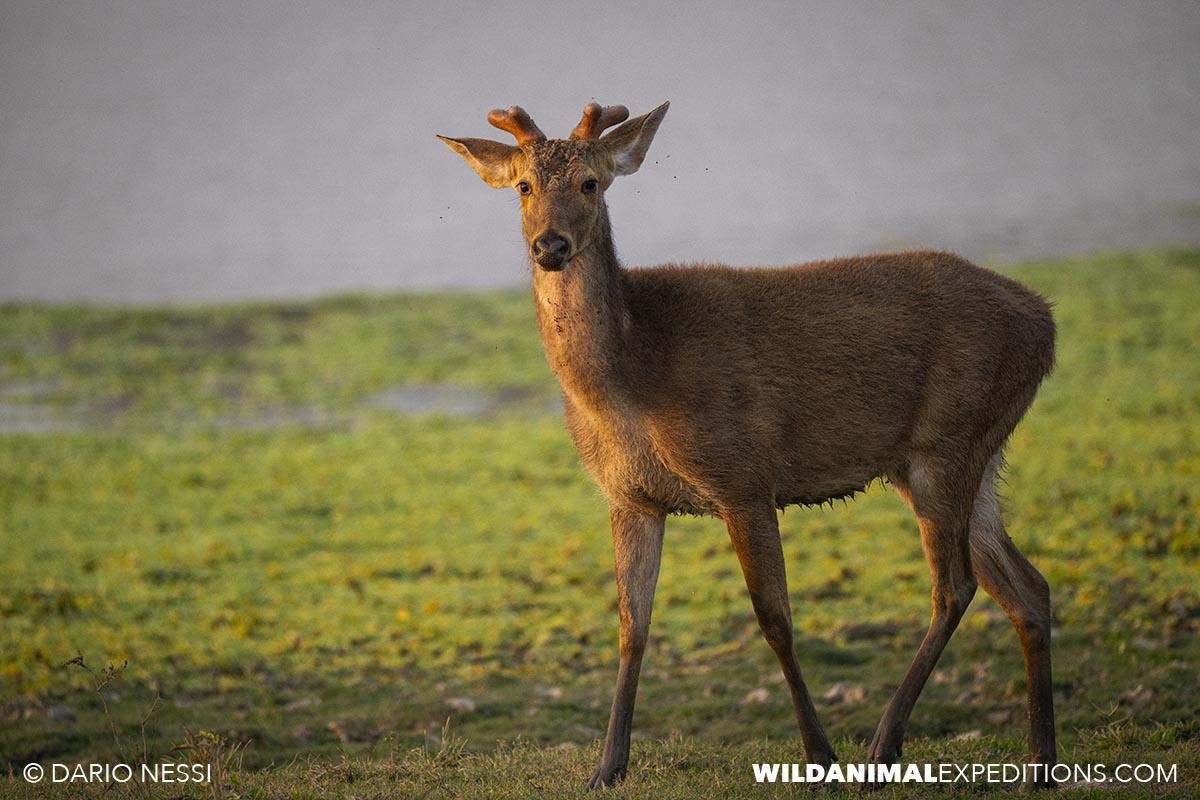
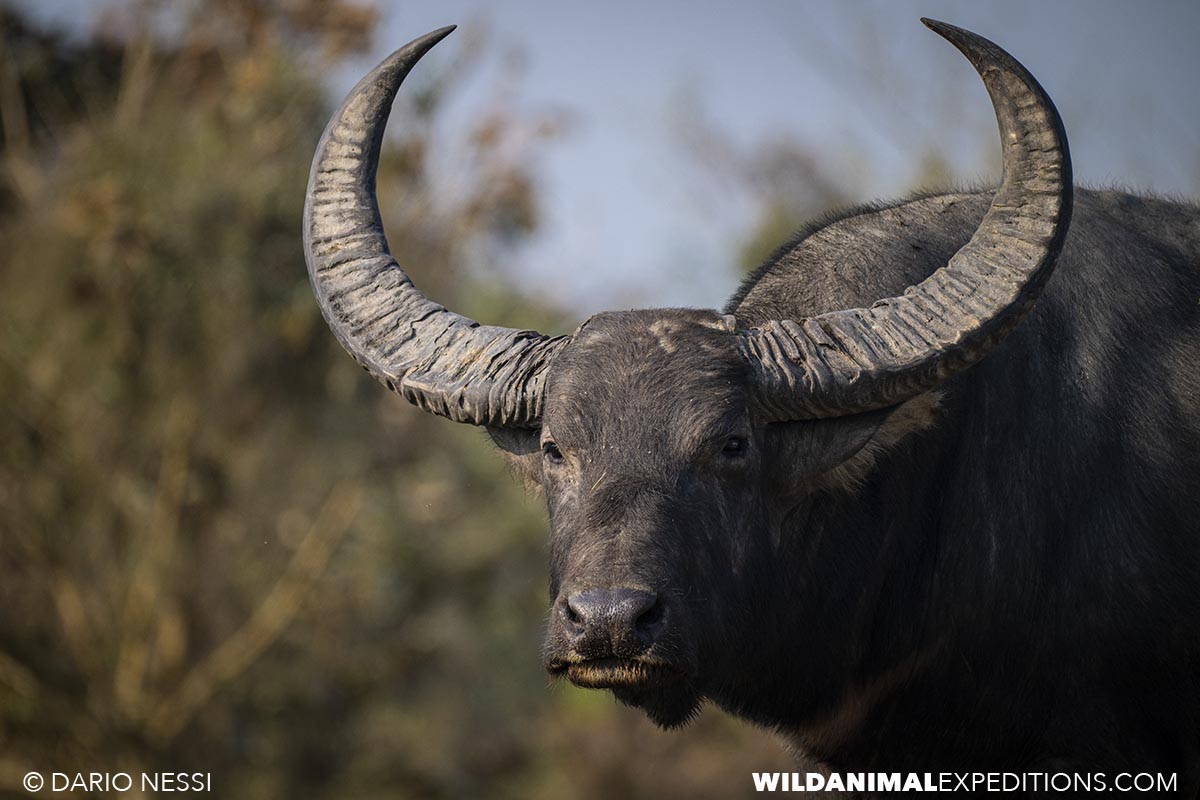
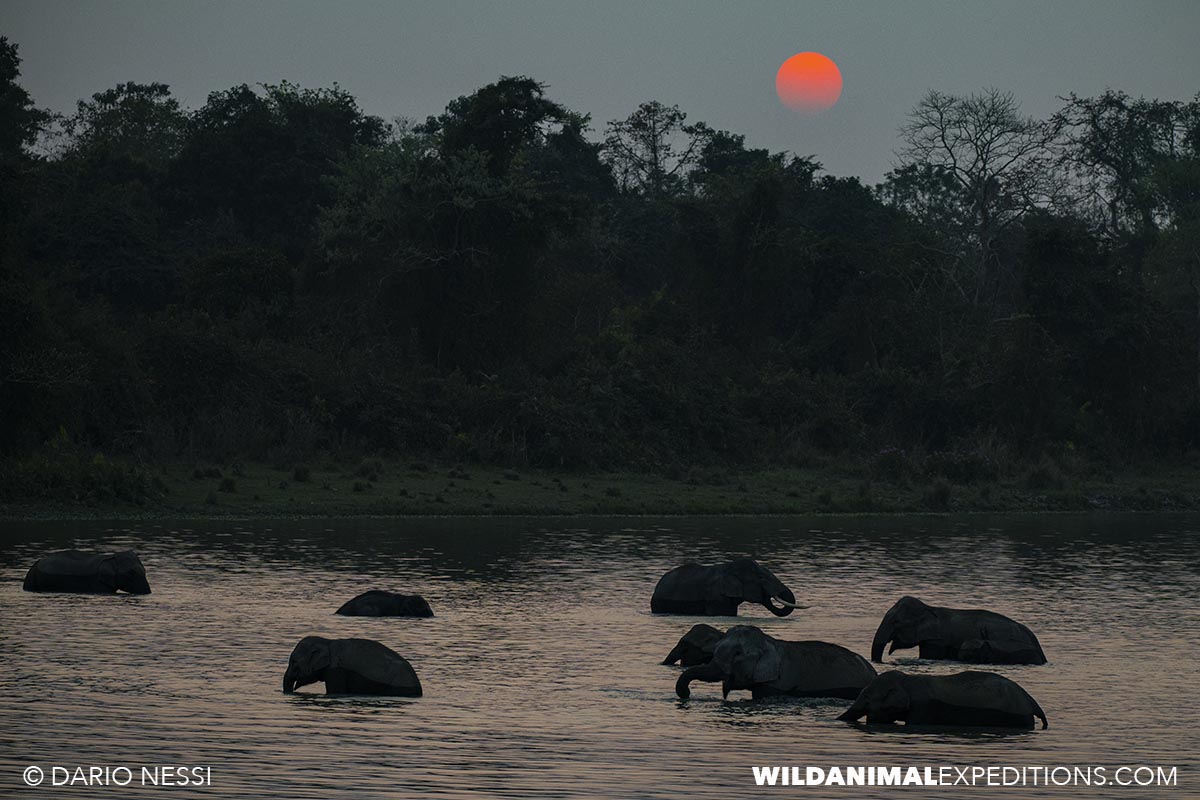
Aside from that here we get to see other giants, like the asiatic water buffalo, Asiatic elephants and swamp deers. In between you will spot smaller species like the cute hog deer, wild boar, smooth coated otters and an incredible amount of amazing birdlife. What makes Kaziranga even more special is the high number and density you will see of these species.
In Kaziranga there are only 3 zones which we all explore during our tour: the central, eastern and western zone.
Each zone has its own beauty, but in the western zone you have the most rhinos congregating, in the central zone you have the highest chances of seeing more tigers (way more challenging though) and in the eastern zone you have the chance of having intimate encounters in a lush green jungle, without any other vehicles around.
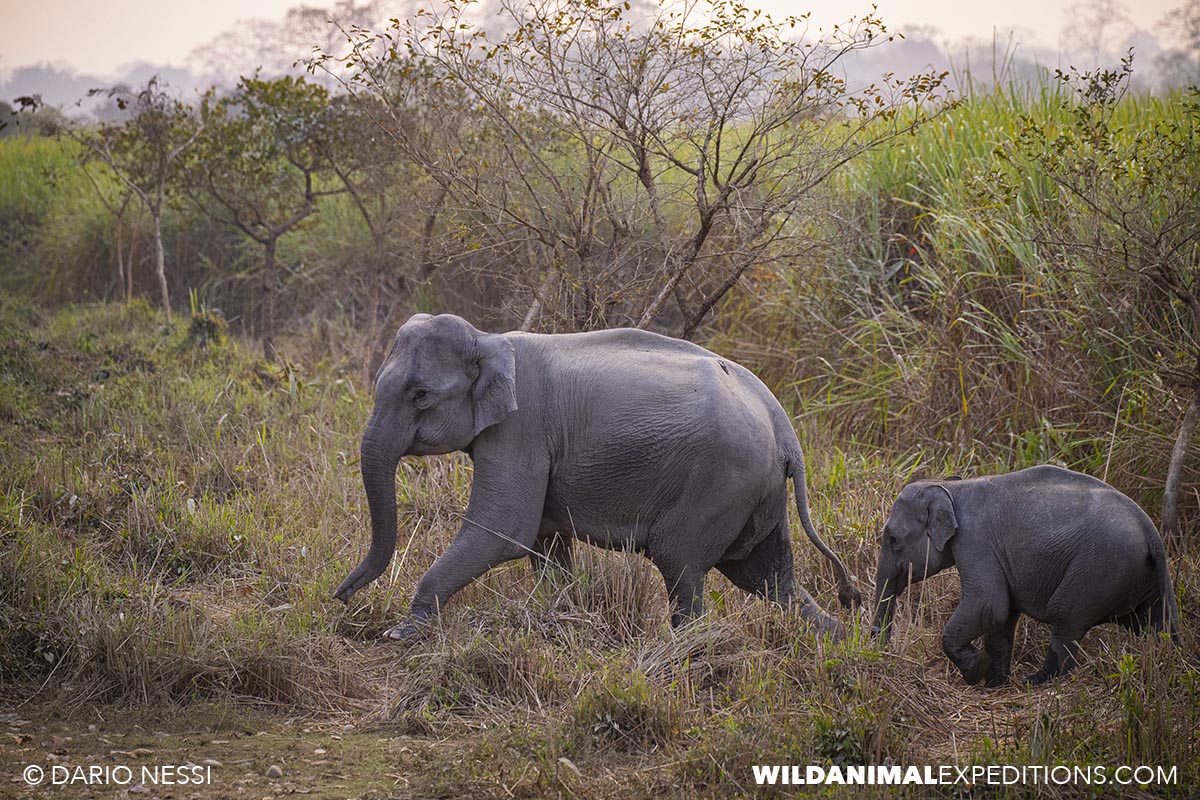
The rhino encounters were outstanding again, we saw them closeup for some beautiful portraits, swimming in the water, saw mothers with calves and even got a distant view of two rhinos mating. Kaziranga is always a guaranteed homerun.
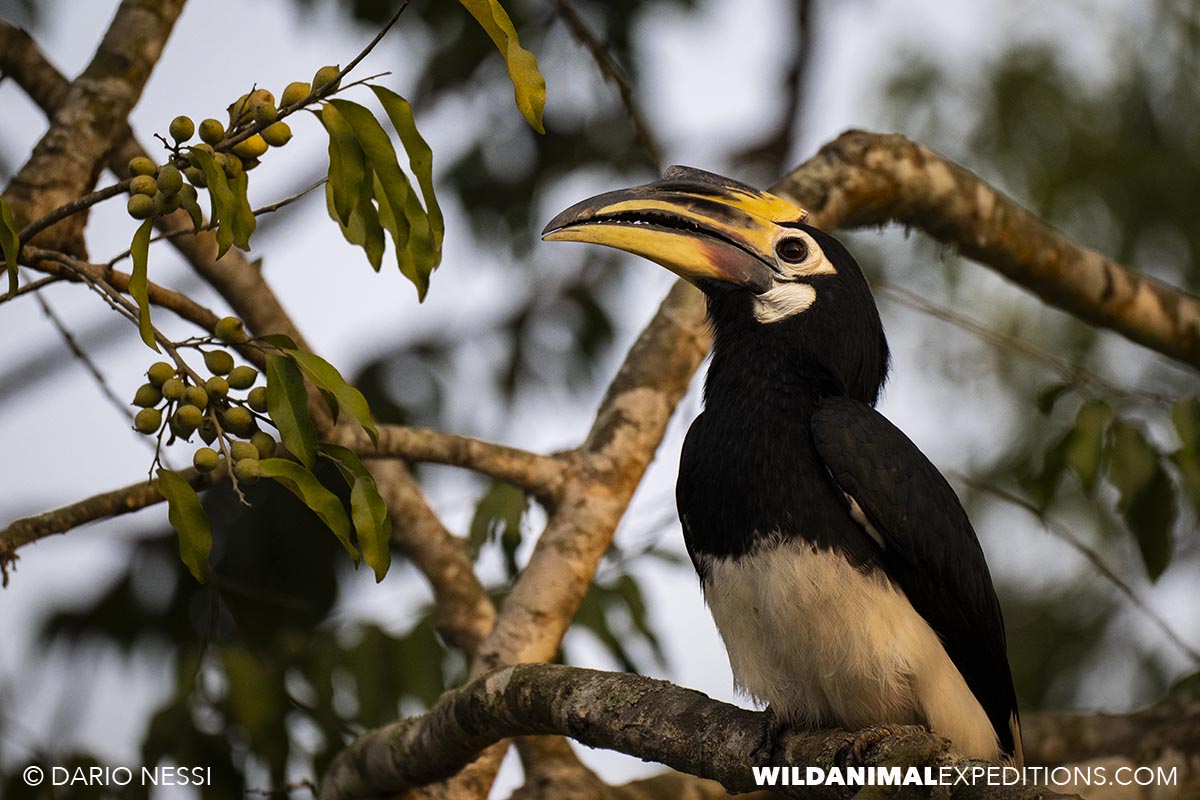
Here a few impressions from the birdlife in Kaziranga and other side characters:
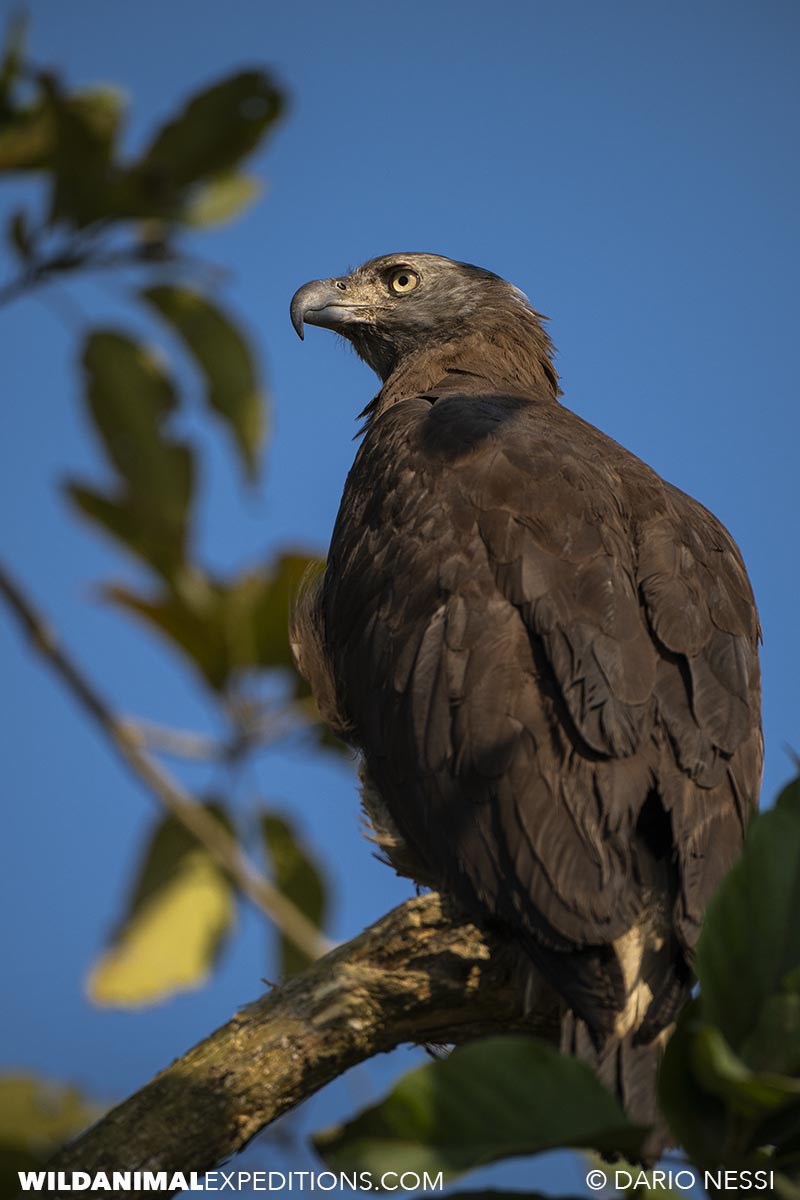
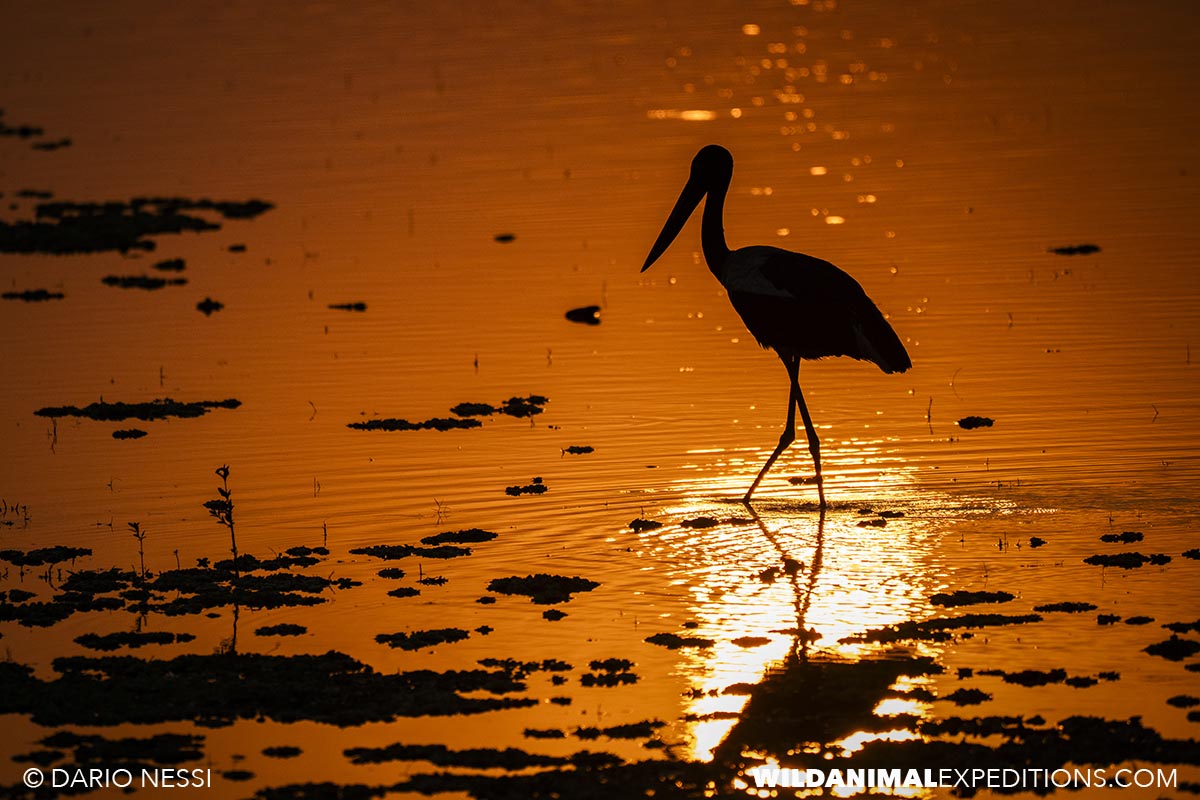
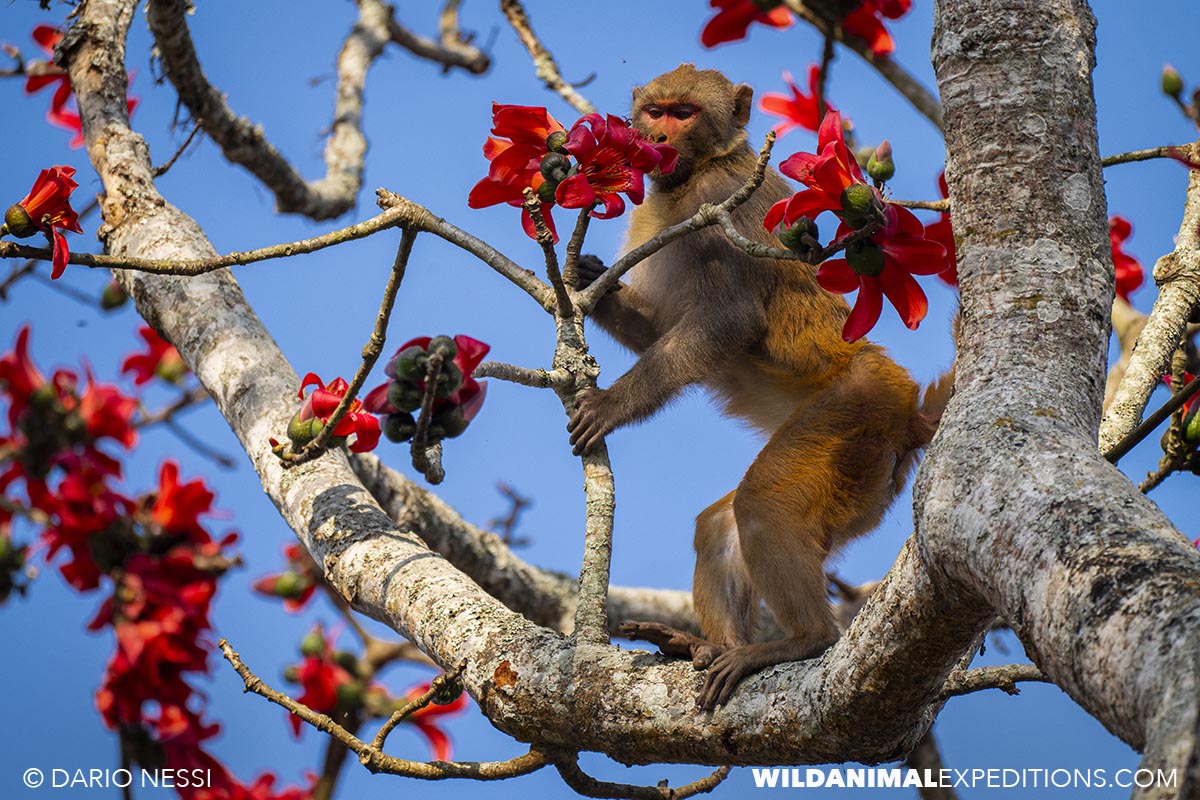
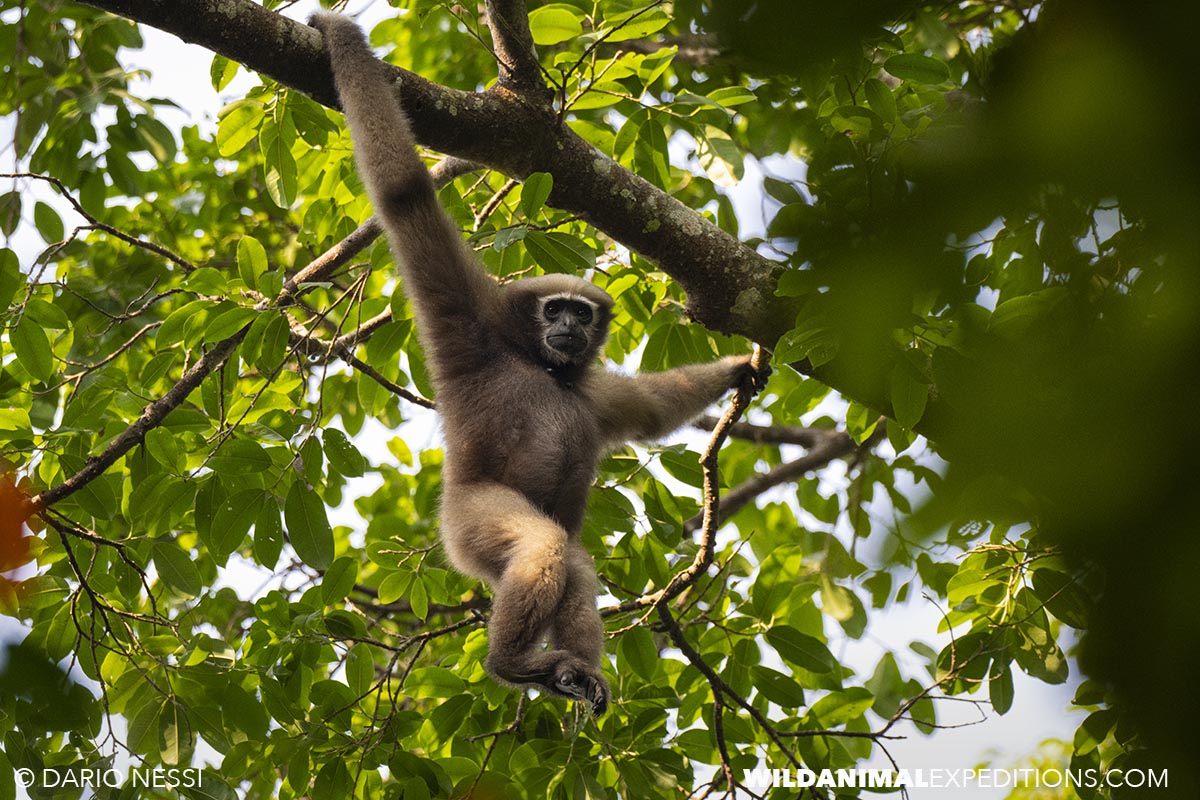
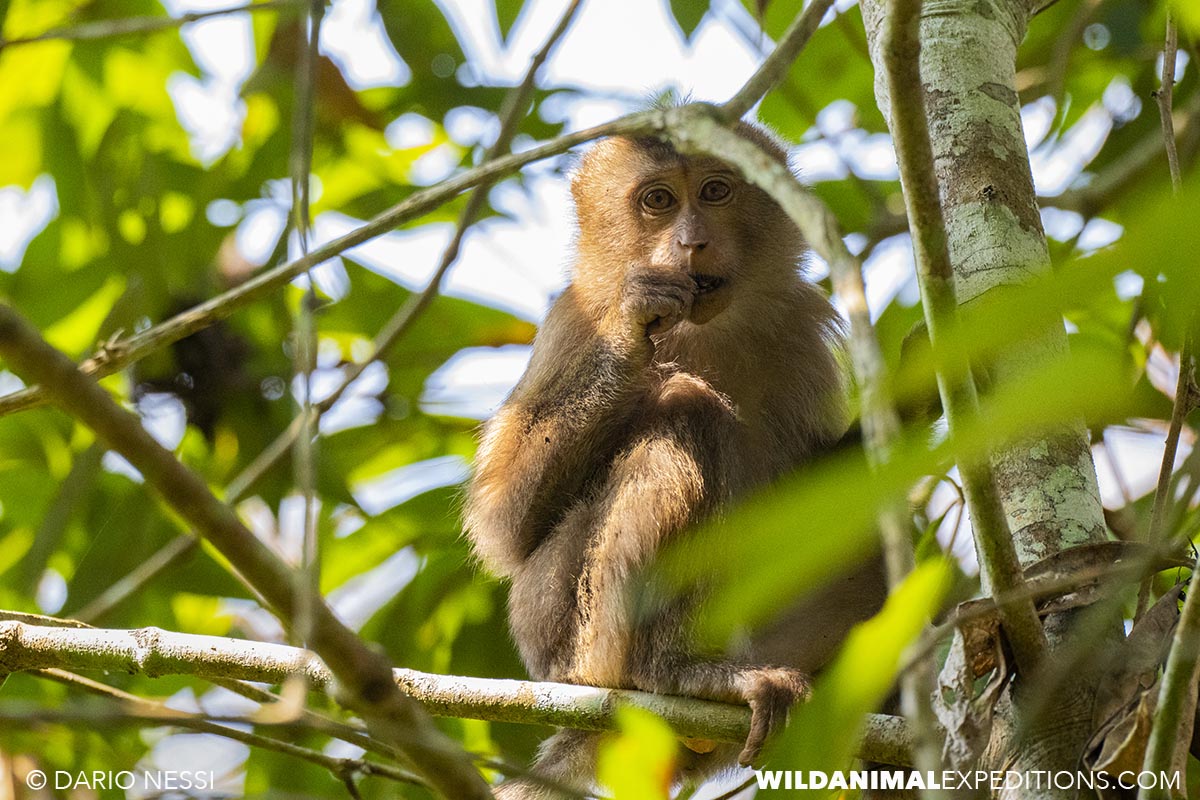
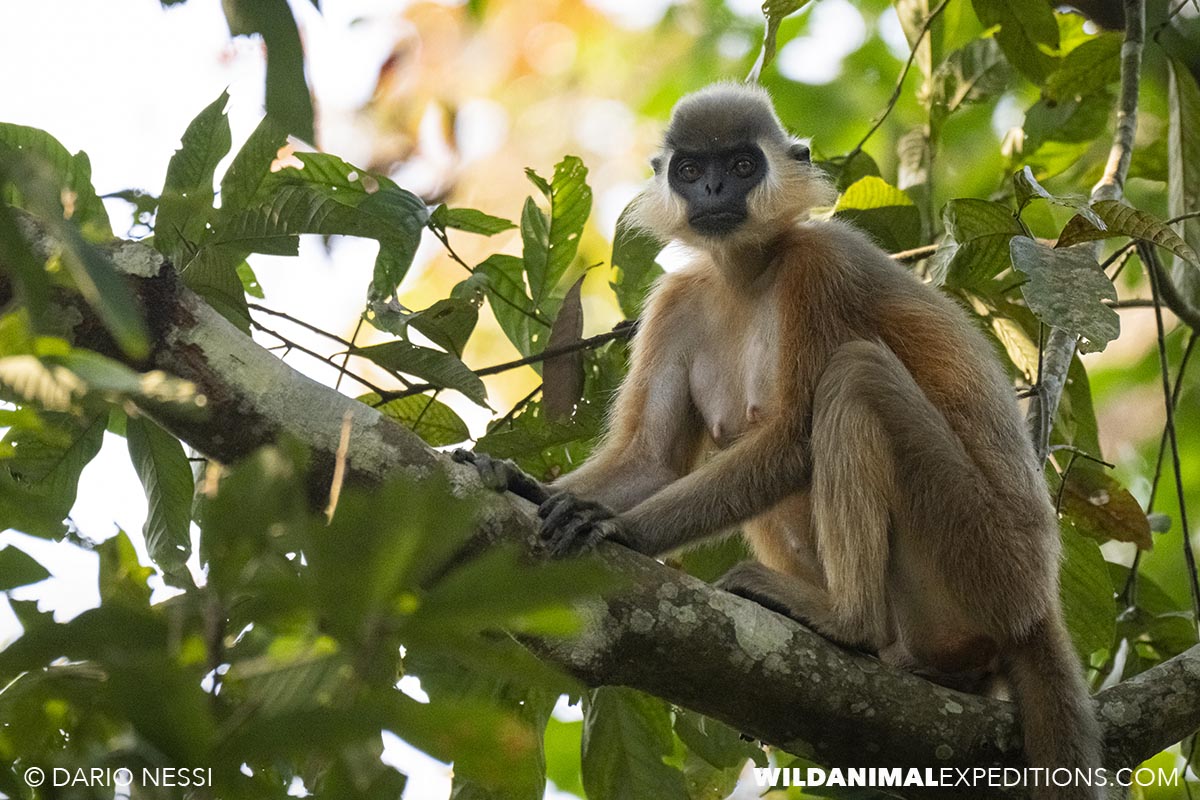
One of the mornings we traded in to visit a different forest, a couple hours away, to see a highly endangered primate species: the western hoolock gibbon. The largest primate and also only ape in India, which is endemic to this area. In these forest we follow the gibbons on foot. Its a challenging, but super fun shoot and we got some nice views of 2 of the 26 gibbon families that inhabit these areas. In addition we got to see the capped langurs, the pig-tailed Macaques and the Malayan giant squirrel, all additional species, we would not have seen in Kaziranga.
Once again it was a great pleasure and privilege to lead this trip. And if you are up for the adventure, I would love to see you next year on our “2027 VIP Tiger tour“.